






Ingredient claims spark debate over quality
A public dispute involving a descendant of the Reese candy founder has drawn attention to ingredient changes across parts of the popular chocolate and peanut butter line. Brad Reese, identified as a grandson of founder H. B. Reese, has criticized Hershey over what he alleges are cost-driven modifications in certain products sold under the Reese’s brand.
Speaking to the New York Post, he argued that some items have moved away from traditional formulations that used milk chocolate and standard peanut butter. In their place, he claims, are alternative coatings made with vegetable oils and peanut butter flavored fillings described as crème. According to him, these substitutions amount to a downgrade in quality, even as shelf prices remain unchanged.
Reese said he felt compelled to speak out because he believes the brand’s legacy is being diluted. He also suggested that consumers may not immediately recognize the differences unless they closely examine packaging language.
Hershey responds to formulation questions
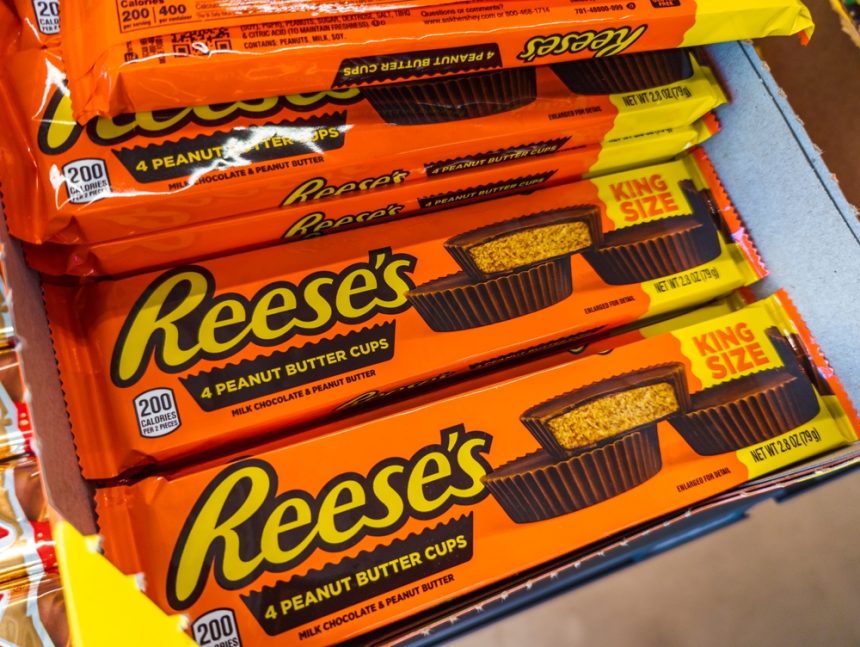
Hershey rejected the notion that its flagship item has been altered. The company stated that original Peanut Butter Cups continue to contain peanut butter and milk chocolate as consumers expect. At the same time, it acknowledged that certain newer products have undergone recipe adjustments to accommodate different shapes, formats and extensions within the lineup.
Food manufacturers often adapt formulations to meet manufacturing, stability or cost objectives, particularly when expanding into seasonal or specialty variations. The question raised in this case centers on how clearly those differences are communicated to shoppers.
The products cited by Reese include several spin offs such as White Chocolate Cups, Fast Break, Take5, Nutrageous and Sticks. He pointed to packaging terms like white crème or peanut butter crème as examples of wording that signals a different formulation than traditional chocolate or peanut butter.
Family tension adds another layer
The ingredient debate has also exposed internal family strain. According to a text message described by the New York Post, a relative urged Brad Reese to reconsider his public comments, warning that they could harm both the family and the company. The message suggested his statements might even carry legal risk if they affected share prices.
Public criticism from someone connected to a founding family can create added sensitivity for consumer brands, especially those with long histories and strong emotional ties to customers. While Brad Reese maintains he is motivated by concern for product standards, relatives appear to view the dispute as potentially damaging.
What consumers should watch for
The controversy highlights a practical issue for shoppers navigating an expanding candy aisle. Labels such as milk chocolate or white chocolate have specific meanings under food guidelines, while terms like chocolatey coating or white crème typically indicate alternative ingredients. Similarly, peanut butter and peanut butter flavored crème are not identical formulations.
Hershey maintains that its core cups remain unchanged. For consumers devoted to the original version, the company’s position suggests little reason for alarm. Those purchasing seasonal shapes or specialty bars may want to review ingredient lists if formulation differences matter to them.
As brands continue to broaden their portfolios, clarity around ingredients can shape perceptions of value and authenticity. Whether the debate will influence buying habits remains uncertain, but it serves as a reminder that small wording changes on packaging often reflect broader production decisions behind the scenes.