





Project Silica glass storage moved closer to practical use after Microsoft detailed new technical progress in a research update. The company said its latest work reduces media costs, simplifies hardware, and improves write speeds for long-term archives. It also said the findings support data preservation for at least 10,000 years through accelerated testing methods.
The update is important for data centers and archival operators. Current media, including tapes and hard drives, degrade within decades. That creates recurring migration costs and operational risks for institutions that preserve records over long periods. Microsoft framed glass as a durable medium that resists heat, water, and dust.
Microsoft published the new results in Nature, according to the company’s post. The article was published this week by Richard Black, a partner research manager. The company described the work as a breakthrough in archival data storage engineering and materials science.
Shift to Borosilicate Glass Reduces Cost Barriers
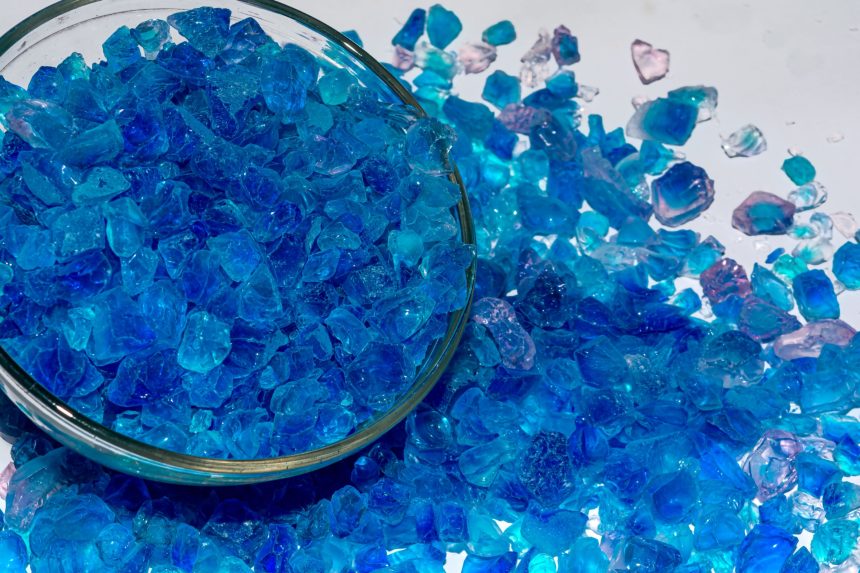
A major change in Project Silica glass storage is the move beyond fused silica. Microsoft said earlier methods relied on pure fused silica, which is harder to manufacture and less available. The new approach works with borosilicate glass, a common material used in cookware and oven doors.
That shift matters because media cost and sourcing affect commercialization. Microsoft said borosilicate is more available and lower cost than fused silica. The company explicitly described this move as addressing two barriers, cost and media availability.
Microsoft also said the new method preserves the dense, layered structure of earlier systems. The company reported storing hundreds of layers of data in glass just 2 millimeters thick. That allows high-density archival storage while using simpler reading and writing equipment.
For financial readers, this is the core development. Lower media cost and easier sourcing improve the economics of any future archival platform. Those factors often matter more than laboratory performance when technology moves toward deployment. This remains research work, but the cost direction is clearer.
Faster Writing and Simpler Readers Improve Feasibility
Microsoft said Project Silica glass storage now supports faster and more efficient encoding. The company described new techniques for parallel writing, including a multi-beam delivery system. It said this system lets many data voxels be written close together at the same time.
The update also described changes in the reader hardware. Microsoft said the reader now requires only one camera, rather than three or four. That reduces system size and cost, while also simplifying manufacturing and calibration.
On the writing side, Microsoft reported fewer required parts. The company said this makes writer devices easier to build and calibrate. It also said the streamlined design helps increase encoding speed.
Microsoft highlighted another change called a phase voxel method. The company said phase voxels use a single laser pulse, unlike prior methods that require multiple pulses. Microsoft described this as a significant reduction in storage write complexity and cost.
The post also outlined the use of machine learning in the storage pipeline. Microsoft said that machine learning helps classify phase-voxel signals and optimize symbol encodings. It also described a better framework for managing error rates, protection, and recovery.
Durability Claims and Commercial Outlook
Microsoft said Project Silica glass storage includes new durability testing tools. The company reported a non-destructive optical method for identifying voxel aging within the glass. It said this was combined with standard accelerated aging techniques to estimate long-term durability.
Based on those methods, Microsoft said the data should remain intact for at least 10,000 years. That figure is central to the project’s value proposition for archives. Long retention can reduce migration cycles, hardware refresh pressure, and operational handling over time.
Microsoft also referenced earlier demonstrations, including storing the film “Superman” on quartz glass. The company cited additional projects involving music preservation and a “Golden Record 2.0” educational archive. Those examples show external proof points, but they remain demonstrations rather than commercial services.
The company said the research phase is now complete. It added that it is considering learnings from Project Silica while exploring ongoing long-term preservation needs. Microsoft also said it published the paper so others can build on the results.
That wording suggests a transition from core science to broader ecosystem evaluation. For investors and infrastructure planners, the next questions are integration, throughput, and total system cost. Microsoft’s update does not announce a product launch, but it strengthens the technical case for future archival applications.