



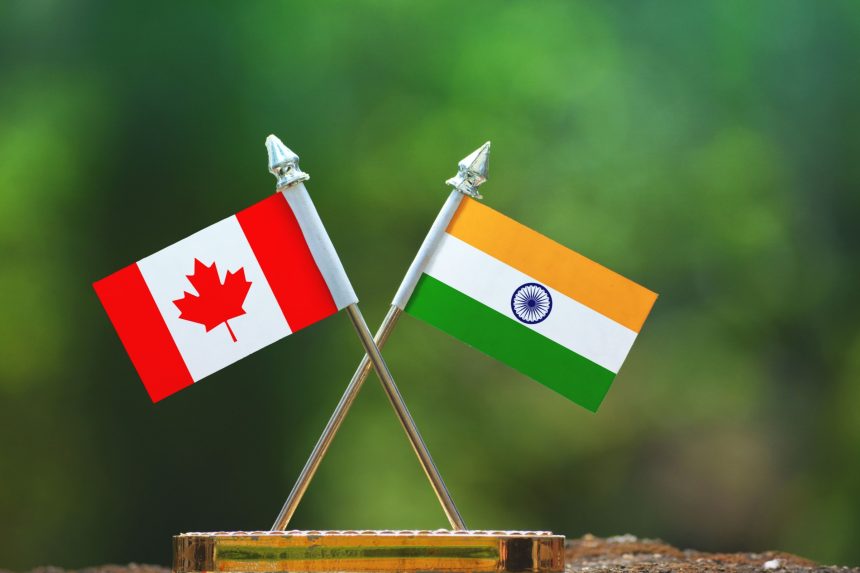

The Canada-India nuclear energy deal was unveiled after Prime Minister Mark Carney met Prime Minister Narendra Modi in New Delhi. The leaders announced a package of agreements aimed at resetting ties after years of diplomatic strain. They highlighted cooperation in nuclear energy, technology, critical minerals, space, defence, and education.
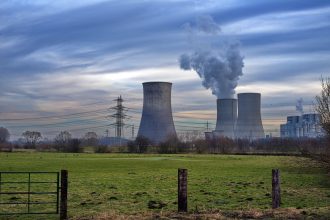
Modi described the nuclear agreement as “a landmark deal” focused on long-term uranium supply. He said the countries will also collaborate on small modular reactors and advanced reactors. Carney said Canada can support India’s nuclear fuel needs. He also said the countries are launching a strategic energy partnership.
The meeting took place at Hyderabad House in Delhi. Both leaders stressed long-standing people-to-people links. Canada hosts a large expatriate Indian community. The new commitments were framed as practical steps toward rebuilding trust.
Trade Talks Return As Tariff Pressures Grow
Trade was a central part of the reset. Carney said both countries agreed to conclude a free trade deal by the end of 2026. Modi said the target is $50bn in bilateral trade. Both leaders tied the goal to shared interest in expanding economic ties.
The trade push also reflects pressure from U.S. tariffs. Both countries want to reduce exposure to punitive measures that could harm their economies. Officials described the renewed negotiations as part of a broader diversification strategy. That includes new partnerships and investment channels.
Carney called the planned agreement “ambitious.” He noted it has been discussed on and off for about 15 years. Concluding it would be a significant political achievement. It would also offer clearer rules for businesses on both sides.
Carney began his trip in Mumbai, India’s financial capital. He met business leaders and ministers on 28 February. The discussions focused on trade, investment, and commercial expansion. After Delhi, Carney is set to visit Australia and then Japan.
Diplomatic Rift Over Nijjar Case Still Shadows Talks
The reset follows a severe deterioration in relations since 2023. Tensions rose after Carney’s predecessor, Justin Trudeau, accused Delhi of a link to the killing of Hardeep Singh Nijjar in Canada. India strongly rejected the allegation. The dispute escalated into the expulsion of diplomats and the cancellation of visa services.
Bilateral relations nearly stalled after the expulsions. The visa disruptions also affected families and business travel. The Nijjar case remains before the courts. Four men have been charged, and proceedings are ongoing. That legal process continues in the background of diplomacy.
Since Carney took office last year, the relationship has been cautiously rebuilt. His government has said it believes India is not currently linked to violent crimes or threats in Canada. That position remains contested in Canada. Critics include a Liberal MP and members of the Sikh diaspora.
Canada’s spy agency has also maintained concerns. It listed India as a country involved in espionage and foreign interference, alongside Russia, China, and Iran. On Monday, the Canadian Security Intelligence Service said its threat assessment has not changed. That statement underlined unresolved security sensitivities.
Foreign Minister Anita Anand also signalled the need for careful wording. She distanced herself from comments by a senior official who said India had ceased all interference. Anand said those were not words she would personally use. She still defended re-engagement as necessary for progress.
Energy And Technology Links Become A Strategic Bet
The Canada-India nuclear energy deal was presented as part of a broader strategic alignment. Modi called the countries “natural partners” in technology and innovation. He said they will expand cooperation in AI, supercomputing, and semiconductors. He also said they plan to jointly host a renewable energy summit.
For Canada, uranium supply and reactor collaboration create a concrete pillar for the reset. Nuclear fuel contracts can be long-dated and politically important. They also align with India’s rising electricity demand. Carney positioned Canada as a dependable supplier for that growth.
For India, the agreement supports energy security goals. India is seeking new trade partnerships to diversify imports. It is also seeking to reduce its reliance on Russia for energy. The Canada relationship offers another channel for supply and technology cooperation.
Carney also highlighted the pace of re-engagement. He said there has been more engagement in the last year than in more than two decades combined. That claim reflects the intensity of recent diplomatic contact. It also signals urgency on both sides.
Domestic opinion in Canada appears supportive of rebuilding ties. A recent Angus Reid poll found that about half of Canadians think it is the right time. The poll also suggested more Canadians view India favourably than the United States. The comparison reflects current tariff pressures and shifting public mood.
The reset, however, comes with trade-offs. Security assessments and diaspora concerns remain politically sensitive. The governments are betting that structured cooperation can reduce friction. The nuclear and trade tracks now become tests of durability.