


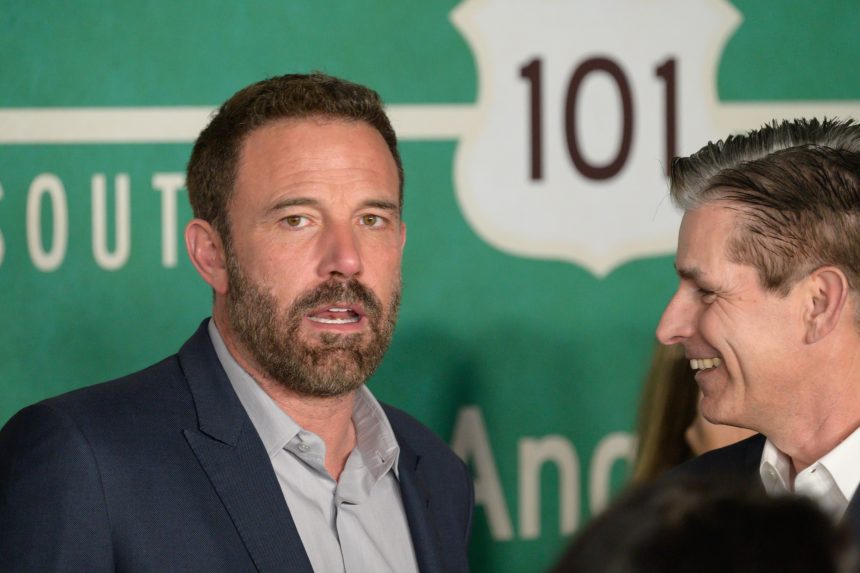

The Netflix InterPositive acquisition adds a filmmaking technology startup to the streaming company’s product roadmap. The company said it acquired InterPositive, founded by Ben Affleck, which builds AI-powered tools for movie production. Financial terms were not disclosed.
The deal lands as entertainment companies reassess how AI can fit into production workflows. Industry leaders have shifted from broad skepticism toward selective adoption, while still stressing creative control. Netflix framed the purchase as a way to expand tools without replacing artists.
What Netflix Bought and Why It Matters
Netflix said InterPositive develops AI tools to solve practical production problems. The company described the tools as helping filmmakers overcome challenges such as missed shots and incorrect lighting. Netflix emphasized that the tools are meant to assist, not substitute, creative roles.
Bela Bajaria, Netflix’s chief content officer, said new tools should expand creative freedom. She said they should not constrain or replace writers, directors, actors, and crews. Netflix positioned the deal as aligned with that principle.
Affleck said InterPositive includes safeguards intended to protect creative intent. He said the tools were built for responsible exploration while leaving final decisions with artists. Netflix said Affleck will join the company as a senior adviser.
For investors, the purchase highlights infrastructure spending beyond content budgets. Workflow tools can cut postproduction costs and reduce turnaround times. They may also improve consistency in quality across large content slates.
How InterPositive Says Its AI Works
Affleck founded InterPositive in 2022, according to the company announcement. Netflix said the startup created an AI model trained to understand visual logic and editorial consistency. Netflix also said the model follows cinematic rules under real production constraints.
The company’s description centers on production enhancement rather than content generation. That distinction matters in labor and rights debates. It also shapes how tools are evaluated under studio policies and union concerns.
Netflix did not provide a product release schedule in its statement. It also did not specify whether the tools will be offered outside of Netflix productions. The company described InterPositive as a technology partner inside its filmmaking ecosystem.
The acquisition also brings a creator-led brand into Netflix’s technology strategy. That positioning can help adoption among directors and editors. Studios often face resistance when tools feel imposed from outside production teams.
Industry Pivot on AI and Creative Risk
The entertainment sector has increasingly explored AI for production and storytelling. The shift follows earlier fears about job displacement and intellectual property. Netflix’s statement leaned on reassurance about human control and responsibility.
Recent industry moves show a broader opening to AI partnerships. One example cited in reporting involved Disney and OpenAI’s Sora video generator. That move signaled willingness to test AI under controlled conditions.
These developments matter for corporate strategy because AI tools can touch sensitive rights issues. Studios must manage consent, training data, and performer protections. They also must show that efficiency gains do not erase creative livelihoods.
Netflix’s language suggests it expects scrutiny from creators and regulators. The company presented the deal as supportive innovation. It linked AI tool development to artistic choice, not automation-first cost-cutting.
Deal Context and What Markets May Watch Next
The Netflix InterPositive acquisition is the company’s first deal since it exited a high-profile pursuit of studio assets. Reporting said Netflix backed out after another bidder’s proposal was viewed as superior. That backdrop highlights Netflix’s preference for targeted technology moves.
Investors may watch whether Netflix integrates the tools into measurable production savings. They may also watch adoption across genres, budgets, and production partners. Tools used for tentpole films may differ from those built for series pipelines.
Another key question is how Netflix handles governance and transparency. AI tools in production raise concerns about data handling and creative approvals. Netflix’s public emphasis on safeguards sets expectations for policy and oversight.
Finally, the market will track whether Netflix uses similar partnerships to secure other bottleneck technologies. Postproduction remains a major cost center for streaming content. If tool adoption accelerates, competitors may pursue comparable acquisitions.