





White House moves to loosen domestic fuel transport rules
The Trump administration has temporarily suspended a century-old shipping restriction in an effort to reduce pressure on US energy supply chains as the war involving Iran continues to unsettle global oil markets. The 60-day waiver of the Jones Act is designed to make it easier to move key commodities between American ports at a time when crude prices remain elevated and supply routes in the Gulf face severe disruption.
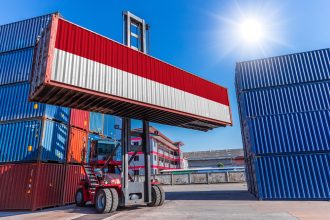
Under the waiver, foreign-flagged vessels will be allowed to transport oil, natural gas, fertilizer and coal between US ports during the two-month period. The White House said the measure is intended to help critical materials move more freely through the domestic system while the administration responds to instability in global energy flows. The decision comes as conflict-related damage to energy infrastructure and the near paralysis of traffic through the Strait of Hormuz continue to raise fears over sustained supply shortages.
The move reflects a familiar emergency playbook in Washington: use temporary regulatory relief to ease bottlenecks when markets come under stress. But it also reopens a long-running debate about whether the Jones Act strengthens national resilience or makes domestic commerce more expensive and less flexible in moments of crisis.
A wartime supply shock revives an old shipping debate
The Jones Act, signed into law in 1920, requires goods transported between US ports to travel on vessels that are US-built, US-owned and US-flagged. Originally intended to support a strong domestic maritime industry after the First World War, the law has for decades drawn criticism from economists and business groups who argue that it limits competition and raises the cost of shipping within the United States.
In normal times, that debate often remains confined to trade specialists, maritime operators and lawmakers from coastal or non-contiguous states. In a crisis, however, the law becomes more visible because it constrains the number of vessels that can legally move fuel and other cargoes from one American port to another. That matters more when international energy markets are under strain and domestic supply routes need to adjust quickly.
By issuing the waiver now, the administration is effectively acknowledging that the existing pool of Jones Act-compliant ships is too limited to meet the flexibility required in the current environment. Analysts note that fewer than 100 vessels fully comply with the law, which means a suspension immediately opens the market to a much larger international fleet.
Extra shipping capacity may not solve the deeper oil mismatch
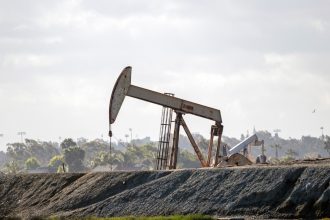
Even so, the economic benefit of the waiver may prove narrower than the headline suggests. One reason is structural rather than logistical. While the suspension makes it easier to move fuel around the US coastline, it does not change the underlying mismatch between the type of crude produced domestically and the type many US refineries are configured to process. Much of the refining system was built to handle heavier grades similar to Middle Eastern crude, while US output remains dominated by lighter shale oil.
That means the country can improve distribution flexibility without necessarily becoming materially more self-sufficient in refined energy products. In simple terms, more ships may help move supplies faster, but they do not fully solve the refining imbalance that limits how efficiently domestic crude can replace disrupted imports or offset global dislocation.
The timing of the decision underlines that challenge. Brent crude settled above $107 a barrel on Wednesday, while US crude ended near $96, showing that markets remain highly sensitive to ongoing attacks on energy infrastructure and the effective closure of the Strait of Hormuz. The waiver is therefore best understood as a pressure-relief measure rather than a full market solution.
Labor groups warn the move weakens maritime security
The decision quickly drew criticism from US maritime labor organizations, which argued that a broad suspension of the law hands critical commercial work to foreign operators while doing little to cut fuel costs for consumers. In a joint statement, nine labor groups said they were deeply concerned that the waiver would weaken military readiness and undermine national security by eroding support for the domestic maritime base.
They also challenged the economic justification for the move, arguing that domestic shipping contributes less than one cent per gallon to gasoline prices and that the real driver of pump costs remains the global price of crude. That position highlights the central tension around the waiver. Supporters see it as a practical response to a wartime supply shock. Opponents view it as a symbolic concession that weakens a strategic industry without offering much visible relief to households.
For the White House, the calculation is political as well as economic. With energy prices rising and the administration publicly frustrated by the limited support it has received from allies over the Gulf shipping crisis, the waiver allows Trump to show domestic action at a moment when external coordination remains uncertain. Whether it materially changes prices may be less important in the short term than whether it demonstrates an effort to keep US supply chains functioning during a conflict that is now spilling directly into energy markets.