




Oil prices are starting to retreat from their recent highs, but the decline is not giving markets the kind of reassurance that usually comes with cheaper energy. Instead of reflecting a return to normal conditions, the move appears to signal something more troubling: demand is starting to crack under the pressure of prolonged shortages and high costs.
That is the warning now coming from the International Energy Agency, which says “demand destruction” is already beginning to take shape. In simple terms, fuel and energy have become so expensive in parts of the world that households and businesses are beginning to consume less, invest less and pull back economically. Lower prices, in that context, are not a sign of relief. They are a sign that the strain is becoming too much for parts of the global economy to absorb.
This is what makes the latest drop in crude so deceptive. Markets may welcome cheaper oil at first glance, but if prices are easing because demand is weakening, the broader message is far less comforting. It suggests that the economic pain from the Strait of Hormuz disruption is starting to spread.
Demand Destruction Is Starting To Take Hold
The IEA’s assessment points to a new phase in the energy shock. The early stage of the crisis was defined by supply disruption, blocked shipping and panic over how much oil and gas would still reach global markets. Now the focus is shifting toward what happens when those shortages push costs high enough to suppress normal economic activity.
That process is already visible in several regions. Countries in Asia, Europe and parts of the Middle East that depend heavily on Hormuz-linked supplies have begun cutting natural gas use, facing flight cancellations and introducing measures aimed at reducing fuel consumption. These are not the signs of a market healing. They are signs of an economy being forced to slow down to match tighter supply.
That is the essence of demand destruction. Consumption falls not because efficiency suddenly improves, but because businesses and households can no longer sustain prior patterns of use.
Lower Prices Can Still Point To More Damage
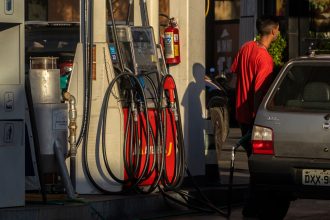
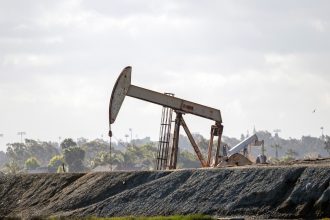
At first glance, the retreat in oil may look like welcome relief. International crude has dropped below recent extremes, U.S. crude has also come down from its peaks and gasoline prices have begun to soften slightly. But these moves must be interpreted with caution.
Some of the decline may reflect hopes that the ceasefire announced last week will hold. But another part of it appears to reflect the harsher reality that higher prices and tighter supplies are already weakening demand. As shortages become more severe, lower consumption becomes almost unavoidable.
That is why falling oil is not automatically bullish for the economy. If prices are easing because growth is being choked off, the market may be signaling not recovery, but stress.
The Strait Of Hormuz Remains The Decisive Variable
The biggest factor in the outlook remains the same: whether flows through the Strait of Hormuz can return in a stable and meaningful way. As long as that route stays constrained, energy markets will remain under pressure and the wider economy will struggle to normalize.
The IEA has made clear that the reopening of the strait is still the single most important variable for easing the current strain on supplies, prices and growth. Without that, the system is forced to adjust through weaker demand rather than stronger supply.
That is a dangerous adjustment mechanism. It means the burden falls on reduced activity, delayed spending and weaker confidence rather than on a healthier market balance. In practical terms, that can translate into slower growth across multiple sectors, not just energy-intensive ones.
The Economic Impact Could Spread Well Beyond Fuel
The deeper concern is that this crisis may not remain confined to crude oil. If restrictions through the strait continue to affect other industrial inputs as well, the resulting demand destruction could extend further into the broader economy than a normal energy shock would suggest.
That would mean fewer purchases, weaker business activity and less investment across a range of sectors. The danger is not only higher prices at the pump. It is that the sustained pressure on energy and industrial costs starts to alter behavior more broadly, with consequences for jobs, spending and economic momentum.
Once that process gathers pace, the effects can become self-reinforcing. Households reduce discretionary spending, businesses delay hiring or expansion and the wider economy starts to slow in a way that cheaper oil alone cannot quickly repair.
The United States Has Buffers, But Not Immunity
For now, the United States appears better insulated than many other regions. Greater energy efficiency, more remote work and the country’s status as a net oil producer all provide some protection against the kind of damage being seen elsewhere. That helps explain why U.S. consumers have not yet shown a dramatic shift in behavior despite higher fuel costs.
There is, in other words, a real buffer. The American economy is less vulnerable to this kind of oil shock than it would have been decades ago. But that does not mean it is invulnerable. Those protections have never been tested against a disruption of this scale hitting so many commodities at once.
That is why caution remains essential. The fact that the U.S. has not yet felt the full effect does not mean it will be spared if the disruption drags on.
A Longer Crisis Would Raise The Recession Risk Sharply
The most serious warning is tied to duration. If the Strait of Hormuz remains closed or heavily constrained beyond the summer, the risk of a broader economic downturn rises significantly. At that point, the shock would no longer be a temporary supply event. It would become a deeper drag on growth, confidence and employment.
That is where the recent slide in oil prices becomes most unsettling. It may look like calm, but it could actually be the first market sign that demand is beginning to give way under the stress of persistent scarcity. Lower prices in that scenario are not good news. They are evidence that the economy is starting to bend.
So the key takeaway is clear. Oil is falling, but the reason matters. And right now, the reason may be less about recovery and more about a world that is starting to consume less because it can no longer afford the disruption.