





Exports top $9.2 billion in ten months
Iran’s southwestern province of Bushehr has reinforced its status as a central pillar of the country’s export economy, shipping more than 25 million tons of goods valued at $9.2 billion during the first ten months of the current Iranian calendar year, which began on March 21, 2025. The figures were announced by Ali Soleimani, director-general of the province’s Customs Department.
Exports during the period reached 47 destination countries. China accounted for the largest share, representing 60 percent of both the weight and value of outbound shipments. The United Arab Emirates followed, taking 11 percent of the export volume and 17 percent of the total value.
The province maintained its leading national position in the first half of the year, when more than 15.53 million tons of non-oil goods worth $5.7 billion were exported through its customs offices. Officials described the performance as evidence of sustained trade momentum.
Energy sector anchors trade dominance
Despite representing only about 1.5 percent of Iran’s land area and population, Bushehr ranks as the country’s third-largest economy, contributing more than six percent of national gross domestic product. Its industrial base is heavily concentrated in energy and petrochemicals.
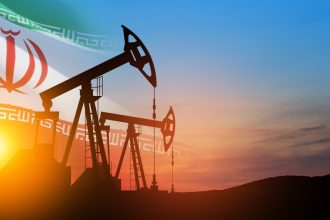
The Pars Special Economic Energy Zone in Asaluyeh forms the backbone of this output. Bushehr holds 88 percent of Iran’s petrochemical capacity, produces 58 percent of the country’s petrochemical output and supplies over 74 percent of national natural gas. The Bushehr Nuclear Power Plant also feeds electricity into the national grid.
Major investment projects, valued at more than $18 billion within the Pars zone alone, continue to expand the province’s production footprint. Petrochemicals such as methanol, polyethylene and urea dominate exports, along with cement, clinker, seafood, gypsum and agricultural goods.
Port infrastructure boosts regional reach
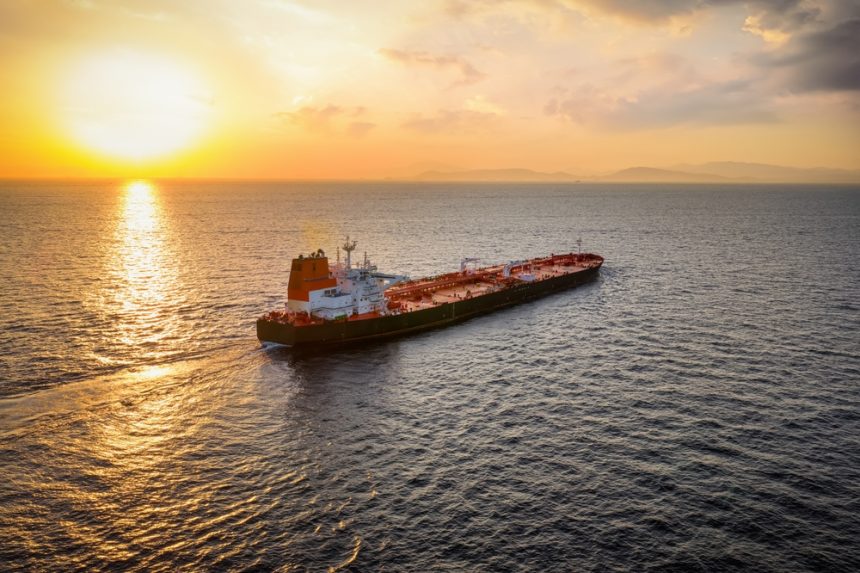
With nearly 700 kilometers of coastline, Bushehr operates 10 active commercial ports, including Bushehr, Dayyer, Kangan and Kharg Island. These facilities provide strategic access to Persian Gulf markets. Dayyer Port serves as a primary gateway for agricultural exports to Qatar, while Bushehr Port is being positioned to facilitate future trade with Saudi Arabia.
Infrastructure upgrades are underway to support higher volumes. Dredging projects have deepened shipping channels at Bushehr Port to 10.8 meters, enabling vessels of more than 30,000 tons to dock, up from a previous threshold of 15,000 tons. Officials stress that further investment in road and rail links is needed to unlock the province’s full potential.
Imports and revenue reflect expanding activity
Imports through Bushehr during the first half of the year totaled roughly 349,000 tons valued at $1.062 billion. Goods entering the province included power generation equipment, industrial components, textiles, rice, vehicle parts and electric motors, primarily sourced from the UAE, China, Russia, India and Germany.
Customs revenue in the same six-month period rose 56 percent compared with the previous year, a signal authorities view as a broader indicator of economic acceleration. In the prior Iranian calendar year ending March 20, 2025, Bushehr exported more than 30 million tons of non-oil products worth $12 billion, marking a 12 percent increase in value from the year before.
Provincial leaders are now focused on extending the petrochemical value chain and expanding midstream and downstream industries to maximize returns and sustain employment. As Iran’s premier non-oil export hub, Bushehr continues to play a decisive role in generating foreign currency income and shaping the country’s external trade profile.