





Parliament meeting launches blueprint for 2026 to 2030 policy
China will release its next five-year plan at the annual parliamentary meeting that opens Thursday, setting broad economic objectives and signaling which sectors are likely to receive funding and policy support. The document rarely spells out detailed measures, but it serves as the country’s central planning guide and a key input for commodities markets because it indicates how the world’s largest commodities consumer intends to shape growth, energy, and industrial policy.
Traders and producers will parse the plan for direction on climate policy, power generation, fossil fuels, critical minerals, industrial overcapacity, and food security. Each category can shift China’s import needs, influence domestic production, and affect global pricing in oil, gas, metals, and agricultural markets.
Climate and power focus on grid integration more than coal retreat
Climate advocates will watch for clearer language on total carbon emissions. Beijing has said emissions will peak by 2030 but has not set a specific level. Analysts expect the renewable energy rollout to continue, with greater emphasis on building transmission lines and setting targets for green electricity consumption so that renewable output can be absorbed by the grid more efficiently.
That focus aims to reduce curtailment, when power generation is wasted because it cannot be delivered or used. Stronger transmission and consumption targets could improve utilization and raise effective demand for renewable-related supply chains.
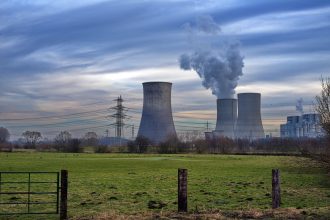
Analysts do not expect a hard stance against coal-fired generation. Coal construction has hit record levels under the current plan, partly after power shortages in 2021 reinforced the priority of energy security. MERICS analyst Johanna Krebs wrote that forcing an entire industry to disappear could carry political costs at a time when many households are struggling financially.
Another marker will be support for alternative fuels such as sustainable aviation fuel and green hydrogen. China has continued investing in both even as momentum has eased in some other regions, and the plan could indicate how prominently these fuels feature in the next cycle of industrial policy.
Oil and gas signals may sharpen around peak demand and supply
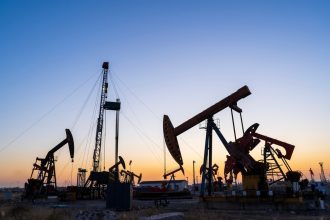
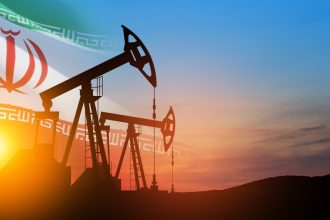
China’s energy section will also be read for guidance on oil and gas. Domestic oil production reached a record last year after a seven-year effort to reverse declines. With output expected to peak again soon, the plan may hint at how Beijing intends to manage the next phase of domestic supply and import reliance.
Policymakers also face the question of when oil consumption peaks. The National Energy Administration said in December that China should pursue a peak during the upcoming five-year plan period. Investors will watch for language that supports that goal and for indications of how Beijing expects transport electrification and efficiency gains to affect demand.
Natural gas is likely to remain a priority fuel. Think tanks linked to Sinopec and CNPC have forecast average annual growth of about 5% during the next plan period, implying continued investment in gas infrastructure and import arrangements.
Critical minerals, overcapacity and food security remain key themes
Critical minerals will be another focal point as supply chains become more contested. China used its position in rare earths in last year’s trade war truce with the United States. The current plan mentions rare earths only once, but analysts will look for clues on how Beijing intends to respond as the United States and its allies build alternative supply chains.
Domestic production and stockpiling are also under scrutiny. China flagged a push to expand both in proposals published last October, and in February there was an uncommon public disclosure about studying a commercial stockpiling system for copper. The plan may also include new policy direction for scrap markets after a state-backed group was created in late 2024 to consolidate the sector.
Overcapacity, framed domestically as fanneijuan or anti-involution, is expected to guide how officials manage excess capacity in industries including steel, copper, and pork. In steel, markets will watch for stricter rules on new or replacement capacity, potentially linking output more directly to carbon emissions as the sector is now part of the national carbon market. Copper smelting and refining overcapacity has also been a growing topic, and the plan may show whether Beijing intends to tighten controls.
Food security remains central as China seeks to boost agricultural scale and productivity. Even Pay of Trivium China said more effort is expected to upgrade the sector. The plan may also revisit the future of genetically modified crops, which have not been adopted at scale due to high prices and resistance from farmers and consumers. Another point to watch is whether China signals new initiatives to reduce dependence on imported soybeans and grains, either by lowering use in animal feed or by diversifying import sources.