



Fund highlights deep structural weaknesses
The International Monetary Fund has described Venezuela’s economic and humanitarian condition as “quite fragile,” warning that the country continues to face deep structural challenges. IMF spokesman Julie Kozack said during a press briefing that inflation is estimated to remain in the triple digits and Venezuela’s currency is depreciating rapidly, contributing to difficult socioeconomic conditions. Poverty and inequality are high and shortages of basic services remain widespread, underscoring the severity of the crisis. :contentReference[oaicite:0]{index=0}
The IMF also noted that public debt is estimated at around 180 percent of gross domestic product, even before accounting for any legal judgments or arbitration linked to past defaults. The figure highlights the extent of fiscal distress in an economy that has endured years of contraction. :contentReference[oaicite:1]{index=1}
Relations between the IMF and Venezuela have been on hold since 2019 due to long-standing questions about government recognition, but the global lender said it continues to monitor developments. Any formal re-engagement would be guided by its member countries and the broader international community. :contentReference[oaicite:2]{index=2}
Population displacement and humanitarian concerns
Venezuela’s crisis has spurred one of the largest migratory movements in recent Latin American history. About a quarter of the population, or roughly 8 million people, has left the country since 2014 amid worsening economic conditions. The IMF emphasized that the humanitarian impact remains significant, with families facing limited access to services and economic opportunities. :contentReference[oaicite:3]{index=3}
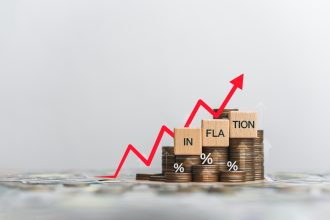
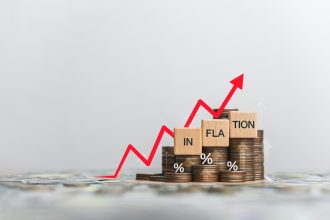
Inflation at triple-digit levels has eroded purchasing power and made everyday goods increasingly unaffordable, while the steep fall in the value of the bolivar has deepened uncertainty. The persistence of these pressures complicates efforts to stabilize the economy and improve living standards for Venezuelans still within the country.
Political shifts add complexity to engagement
The political landscape in Venezuela has undergone dramatic changes in recent weeks, further complicating international engagement. In January 2026, U.S. forces captured former President Nicolás Maduro and his wife, and they appeared in court in New York on charges related to narcotics trafficking. Since Maduro’s removal, Delcy Rodríguez, his former vice president, has been serving as acting president with support from the United States. :contentReference[oaicite:4]{index=4}
This shift has prompted diplomatic and policy adjustments. The IMF’s managing director, Kristalina Georgieva, has discussed Venezuela’s situation with senior U.S. officials as part of ongoing consultations about how best to respond. Restoring formal ties with the fund could allow Venezuela access to about 4.9 billion dollars in Special Drawing Rights previously frozen when relations were suspended. :contentReference[oaicite:5]{index=5}
Options for international support emerge
If Venezuela were to re-engage with the IMF, unlocking frozen reserve assets could provide a substantial financial boost at a time when the economy is under severe strain. U.S. officials have indicated willingness to convert Venezuela’s SDR holdings into dollars to support reconstruction and economic recovery as sanctions are eased. :contentReference[oaicite:6]{index=6}
However, the IMF stressed that any support framework would depend on international consensus regarding recognition of Venezuela’s leadership and the country’s request for assistance. Member nations, including the United States and other major shareholders, would play a central role in determining whether and how the fund resumes formal engagement. :contentReference[oaicite:7]{index=7}
The challenges facing Venezuela are substantial, spanning monetary instability, debt overhang and humanitarian distress. Any effort to address these issues through external assistance would require careful coordination among global institutions and national authorities, along with credible policy commitments by the Venezuelan government.