




PCE index posts strongest monthly gain in months
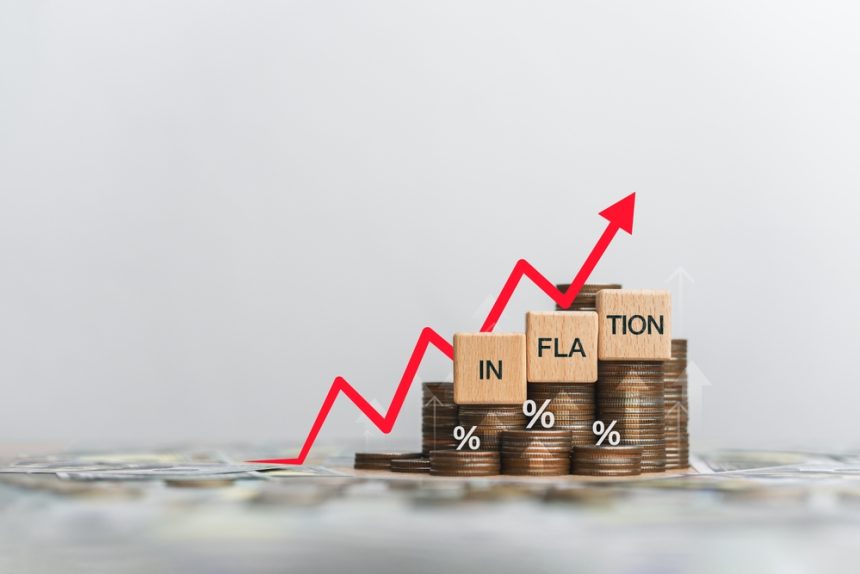
A closely watched measure of U.S. inflation strengthened in December, underscoring the persistence of price pressures as the year drew to a close. The Commerce Department reported that prices rose 0.4 percent from the previous month, double the 0.2 percent increase recorded in November and the largest monthly advance since February.
On a year over year basis, the personal consumption expenditures price index rose 2.9 percent, slightly above the 2.8 percent pace in November and the highest annual reading since March 2024. While inflation has slowed considerably from its peak of nearly 7 percent in 2022, the latest figures show progress toward price stability has been uneven.
Core inflation also gains momentum
Excluding food and energy, which tend to fluctuate more sharply, core prices increased 0.4 percent in December, again accelerating from the prior month. Core inflation climbed 3 percent compared with a year earlier, up from 2.8 percent in November. That trend suggests underlying price pressures remain firmer than policymakers would like.
The Federal Reserve gives greater weight to the PCE index than to the more widely cited consumer price index because it reflects changes in consumer behavior and has a broader scope. The CPI showed cooler inflation in January, but the PCE measure continues to run somewhat higher in part because it assigns less weight to categories where price growth has moderated, including rents and used vehicles.
Consumer spending remains steady
The same report indicated that household spending advanced 0.4 percent in December, matching November’s gain. The sustained pace of consumption points to ongoing resilience in the labor market and overall economic activity, even as borrowing costs remain elevated.
Price increases during the month were evident in furniture, apparel and groceries. Energy presented a mixed picture: gasoline prices declined, but electricity costs edged up and natural gas prices rose 3.7 percent compared with November. Such variations continue to shape the path of headline inflation.
Federal Reserve holds rates steady
The Federal Reserve’s policy committee met in late January and opted to keep its benchmark short term interest rate unchanged at roughly 3.6 percent. Minutes released this week showed that most officials prefer to see clearer evidence that inflation is moving sustainably toward the 2 percent target before considering additional rate reductions.
The central bank’s stance comes despite public calls from President Donald Trump for lower borrowing costs. Policymakers remain focused on preventing a renewed acceleration in inflation while supporting continued economic expansion.
December’s data highlight the delicate balance facing the Fed. With unemployment low and growth steady, officials are seeking reassurance that price gains will decelerate further. Until inflation readings move more convincingly toward target, the path for interest rates is likely to remain cautious.