






Food price pressure returns after months of easing
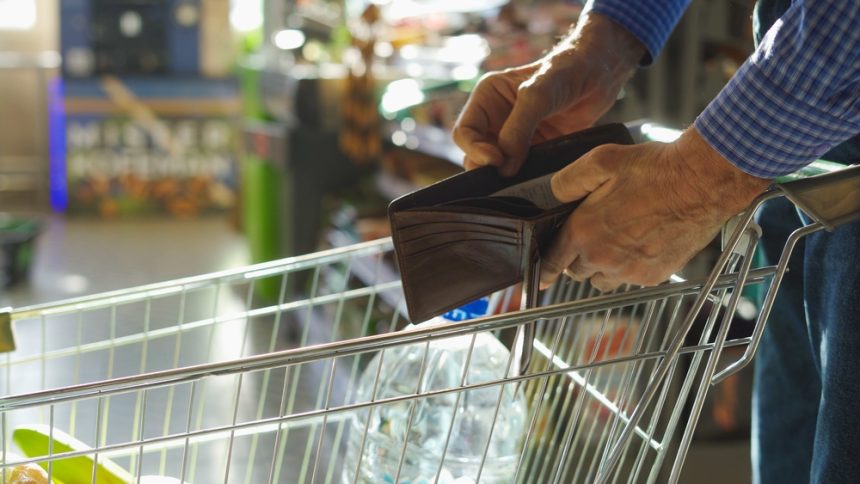
Grocery price inflation in the UK rose to 4.3% in February, reversing four straight months of declines and adding pressure to household budgets. The increase from 4% in January suggests the slowdown in food inflation has become less reliable, even as consumers continue to hunt for value and adjust when they buy discretionary items.
Market research firm Worldpanel by Numerator linked part of February’s spending pattern to last-minute purchasing around Valentine’s Day. Shoppers delayed decisions and then concentrated demand late in the week, a dynamic that can lift short-term sales volumes without necessarily signaling a broader improvement in consumer confidence.
Valentine’s and Shrove Tuesday show stretched budgets and timing shifts
Nearly 12% of households bought a premium meal deal on the Friday night closest to Valentine’s Day, according to Worldpanel by Numerator. Those higher-end bundles are priced at £10 or more, and shoppers spent a combined £39 million on them, a figure described as seven times higher than the previous week. The pattern points to a consumer who still participates in seasonal occasions but increasingly compresses spending into specific moments.
Other seasonal markers showed a similar mix of demand and cost pressure. Sales of pre-made pancake mixes rose 114% week on week ahead of Shrove Tuesday. Households that made batter from scratch faced higher input costs, with key ingredients totaling £7.77, an increase of 42p or almost 6% from last year.
Chocolate inflation remains elevated heading into Easter
Looking toward Easter, chocolate is still a high-inflation category. Fraser McKevitt, head of retail and consumer insight at Worldpanel, said chocolate prices were up 9.3% year on year. He added that while the increase remains substantial, the pace is slowing and is now at its lowest level since September 2025.
The easing rate suggests price pressure may be moderating at the margin, but the absolute level remains high enough to be noticeable for households, particularly as chocolate purchases often rise seasonally into spring.
Online grocery expands beyond affluent early adopters
Shoppers continued to shift more of their grocery spending online. Internet grocery sales rose 9.7% year on year, with more than 18 million orders placed over the four-week period. The channel’s share of the market reached 13%, the highest level since July 2021.
McKevitt said the highest online penetration remains among more affluent families in London and the south east of England, but he noted the customer base is widening. He said the convenience of delivery is increasingly drawing shoppers from a broader range of economic backgrounds, suggesting online grocery is shifting from a premium convenience product toward a more mainstream behavior.
Ocado leads growth as Tesco holds share and Asda declines
Competition among grocers remained intense. Ocado was again the fastest growing grocery retailer over the 12 weeks to February 22, a position it has held since September 2025. Lidl recorded double-digit sales growth for the 12th consecutive period, rising 10% in the latest reading.
Tesco increased sales by 4.5% and held a market share of 28.5%. Sainsbury’s grew sales by 5.2% and lifted market share to 16.1%. Waitrose posted its strongest growth rate since March 2021, with sales up 5.6% and market share reaching 4.8%.
Not all retailers benefited from the same momentum. Asda recorded another year-on-year decline in sales, down 2.6%, while Co-op sales fell 1.6% compared with last February. The divergences suggest shoppers are still reallocating spend across formats, balancing premium purchases for select occasions with ongoing value seeking in everyday baskets.