






U.S. consumer inflation held broadly steady in February, with price gains matching forecasts and annual readings unchanged from January, offering a last clean snapshot of inflation before an oil shock tied to the Iran war complicates the outlook.
The Consumer Price Index rose 0.3% on a seasonally adjusted basis for the month, lifting the 12-month rate to 2.4%, according to Bureau of Labor Statistics data released Wednesday. Excluding food and energy, core CPI increased 0.2% in February and 2.5% over the past year, also in line with expectations.
Housing Cools While Some Categories Turn Lower
Shelter, the largest CPI component, rose 0.2% in February and ran at 3.0% year over year. Within shelter, rent increased just 0.1%, the smallest monthly gain since January 2021, pointing to continued cooling in housing-related inflation.
Several goods categories posted declines, including used vehicles and auto insurance, while other areas showed firmer price pressure. Apparel climbed 1.3% for the month, the biggest jump since September 2018, a category often watched for tariff sensitivity.
Energy rose 0.6% in February and was up 0.5% from a year earlier. Food prices accelerated 0.4% for the month and increased 3.1% year over year. Egg prices fell 3.8% in February, extending the annual decline to 42.1%.
Markets Look Past CPI Toward Oil Risks
Market reaction to the CPI print was muted initially, but trading later reflected growing focus on energy. The data predates the sharp rise in oil prices linked to the war with Iran, meaning the CPI report does not capture the latest gasoline and energy pressures that could feed into inflation in coming months.
Crude oil briefly moved above $100 a barrel earlier in the week amid concerns about Middle East supply disruption, before retreating. Even after pulling back, prices were still higher on Wednesday, reinforcing concerns that headline inflation could reaccelerate if energy costs remain elevated.
Economists often treat oil-driven inflation as transitory, but sustained energy gains can filter into transportation, shipping, and consumer prices broadly, creating a near-term policy challenge even if underlying inflation remains stable.
Fed Outlook: On Hold, Watching the Shock
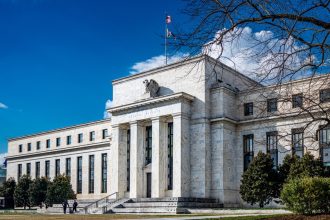
For the Federal Reserve, the February inflation report supports a wait-and-see posture as policymakers assess how last year’s rate cuts, alongside geopolitical risk, affect the economy. Markets continue to expect the Fed to hold rates at its next decision on March 18, with traders assigning near-certainty to no move at that meeting.
Rate-cut expectations have shifted later in the year. Traders have been pricing the next cut for September, with a smaller probability of an additional reduction before year-end, according to the CME FedWatch framework cited in the report.