




Bangladesh’s energy crisis measures escalated on March 9, as authorities ordered universities to close early. The move advances the Eid al-Fitr holiday break to conserve electricity and fuel. Officials said closures start Monday and cover public and private universities nationwide.
Officials said campuses draw heavy power for dorms, classrooms, laboratories, and air conditioning. They also said fewer commuters should reduce traffic and fuel waste. With many schools already closed for Ramadan, most institutions will remain shut.
The steps come amid uncertainty over fuel and gas supplies linked to turmoil in global energy markets. Bangladesh relies on imports for about 95% of its energy needs, officials said. Authorities have paired demand cuts with emergency supply actions.
Universities Close Early to Cut Power Use
Authorities said the university shutdown is an emergency conservation measure. Officials described the national power system as strained. They said reducing great institutional demand can help avoid wider outages.
The order applies across the higher education sector, including residential campuses. Officials said dormitories are significant electricity consumers. They cited lighting, cooling, and round-the-clock facility needs.
The government also asked foreign-curriculum schools and private coaching centers to suspend operations. Officials framed this as a broader austerity package. They said the goal is to reduce electricity use during the supply squeeze.
For households, campus closures can lead to additional costs and disruptions. Families may need to fund earlier travel and increased at-home living expenses. Some students may lose access to subsidized campus services during the closure period.
Fuel Rationing Follows Panic Buying
The university shutdown follows fuel limits announced on March 6. Bangladesh imposed daily caps after panic buying and stockpiling raised concerns about supply. Officials said the restrictions aim to curb abnormal demand and stabilize inventories.
Under the limits, motorcycles can buy up to 2 liters of petrol or octane per day. Private cars can buy 10 liters, while large vehicles have higher diesel limits. Filling stations must issue cash memos and verify past purchase receipts.
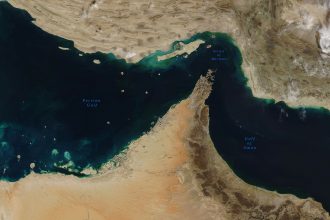
Officials linked the pressure to disruptions affecting oil shipments through the Strait of Hormuz. They said global instability had sometimes delayed shipments. The importer also warned that selling above government-set prices is punishable.
From a personal finance angle, rationing changes daily spending patterns. Drivers may face longer lines, higher time costs, and more planning for commutes. Small businesses can see delivery costs rise when fuel access tightens.
Gas Is Diverted From Fertilizer to Power Plants
The energy crunch has also hit gas allocation inside the country. Severe shortages forced shutdowns at four of five state-run fertilizer factories, officials said. Authorities redirected available gas to power plants to prevent widespread blackouts.
This shift can carry second-order costs for consumers. Fertilizer disruptions can raise agricultural production costs over time. Higher input costs can filter into food prices, which already strain household budgets.
Officials described the government’s approach as consumption reduction plus supply stabilization. An energy ministry official said authorities are trying to protect power, fuel, and import supplies. The statement underscored the emergency footing of current decisions.
Expensive Spot LNG Becomes a Stopgap
To keep gas flowing, Bangladesh has turned to spot purchases of liquefied natural gas. Officials said the country bought LNG at sharply higher prices and is seeking more cargoes. The buying follows disruptions to contracted supplies, according to officials.
State-run Petrobangla arranged two spot LNG cargoes for March, officials said. One cargo was priced at $28.28 per mmBtu and was expected on March 15-16. Another was priced at $23.08 per mmBtu and was due March 18-19.
Officials contrasted those costs with January spot purchases near $10 per mmBtu. They said the price jump reflects the volatility of buying outside long-term contracts. They also warned that prolonged disruption could increase reliance on spot markets.
For consumers, higher import costs can translate into tighter public finances and pressure on energy subsidies. That can lead to higher utility bills or broader austerity steps. It can also raise inflation risk if energy costs are passed through to consumers.
The immediate impact is uncertainty, not a single price change. Bangladesh energy crisis measures now span education, fuel retailing, industrial gas allocation, and LNG procurement. Officials are trying to limit demand while securing supply at a higher cost.