





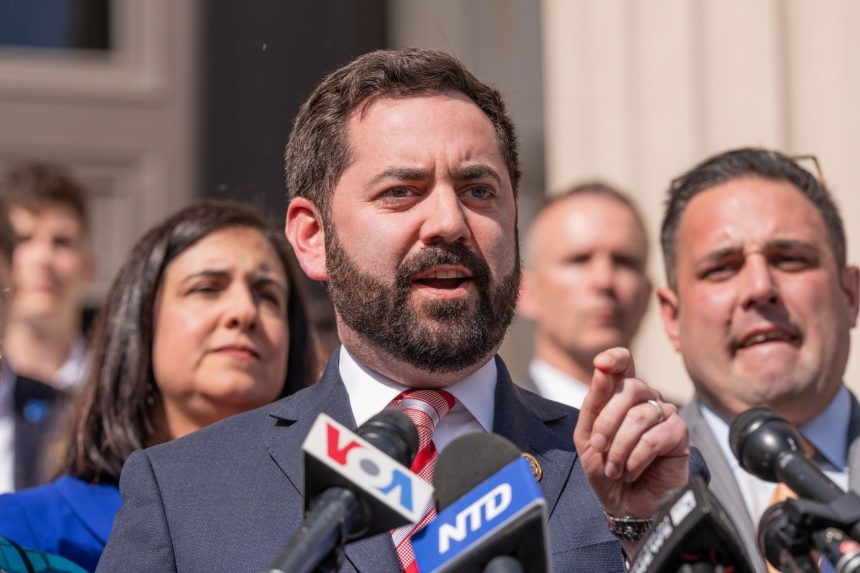

The New York utility affordability fight is sharpening as Democrats push back on Republican plans for bill relief. The dispute centers on who is responsible for rising costs. It also focuses on which policy levers can quickly reduce bills.
New York’s residential electricity rates are roughly 45% above the national average, according to reporting by the Times Union. Past-due utility balances exceed $1.8 billion, highlighting the scale of payment stress. Those figures have turned utility prices into a front-line political issue.
Republicans argue that state mandates are driving up costs and straining the grid. Democrats counter that the GOP approach is politically convenient and policy-light. The fight is increasingly about affordability framing, not just energy mix choices.
Republicans Pitch Rebates And Credits From Climate Funds
New York Assembly Republicans unveiled an energy strategy that emphasizes immediate household relief. The plan calls for $2 billion in rebate checks for moderate-income residents. It also proposes using $2.4 billion linked to NYSERDA for bill credits.
The Times Union reported the proposal also seeks to pause electrification mandates. Republicans cited school bus and building requirements as costly and difficult for the grid. Their strategy includes revisiting elements of the state’s 2019 Climate Act, which aims to achieve 100% clean energy by 2040.
Separate coverage described the fund as tied to a paused “cap-and-invest” initiative. The New York Post said Republicans want the money redirected to ratepayers as credits. The paper reported that the GOP plan also includes broader rollbacks of certain climate-law measures.
Republican lawmakers have also advanced similar messaging in the state Senate. A February 5 Senate release said Democrats voted down an amendment that would return $2 billion in unspent climate-account funds to ratepayers. The release framed the vote as a rejection of immediate bill relief.
Hochul And Democrats Emphasize An “All-Of-The-Above” Track
Governor Kathy Hochul has promoted what the Times Union described as an “all-of-the-above” approach. That includes backing nuclear power and slowing some clean-energy transitions for affordability. The same reporting said Hochul supports reforms around utility rate increases.
Hochul’s approach reflects the tension between near-term affordability and long-term climate targets. The Climate Act sets binding goals, but implementation timelines vary by sector. That creates political openings for both parties during rate shocks.
In the Post’s account, Hochul’s office dismissed the Republican push as political. The office defended a ratepayer protection effort and pointed to broader factors influencing costs. That framing shifts attention toward market dynamics and project delays
Democrats also face pressure from advocates who want affordability programs strengthened, not paused. The Times Union reported that some Democrats support an Office of Energy and Equity. The goal would be to help households access assistance and efficiency upgrades.
What Investors Watch In The New York Utility Debate
For investors, the New York utility affordability fight matters because it can reshape the state’s regulatory posture. Rate-setting decisions depend on capital plans, reliability needs, and political tolerance. Policy shifts can change cost recovery, timelines, and project risk.
Two themes dominate: near-term bill credits versus long-term system investment. Rebates can ease pressure, but they do not add supply or reduce peak demand. Meanwhile, transmission, generation, and electrification upgrades require steady funding.
Grid reliability remains a point of contention on both sides. The Post cited independent concerns about reliability if supply additions lag demand growth. The Times Union also noted Republicans cite grid strain when opposing certain mandates.
The political cycle raises the stakes for regulated utilities and developers. Policymakers may favor visible relief measures during periods of public frustration. Over time, that can affect capital spending cadence and the mix of approved projects.
If lawmakers redirect climate-related funds, markets will watch the precedent it sets. If mandates are delayed, developers will watch procurement timelines and interconnection policy. Either way, the affordability debate is becoming a central input into New York’s energy investment outlook.