





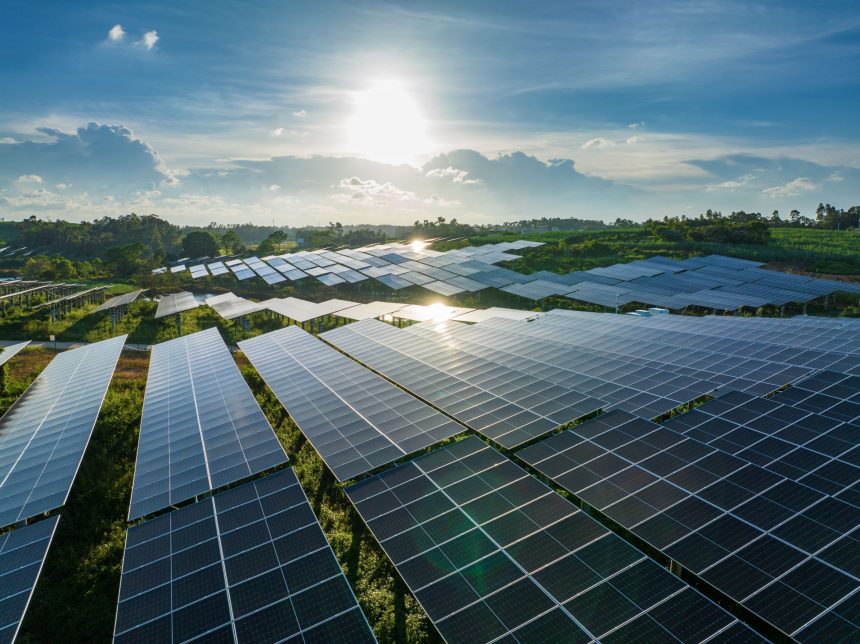

The dominance of solar energy growth is reshaping global power markets as installations accelerate across regions. Solar has become the fastest-growing source of electricity capacity worldwide. Falling costs and faster deployment cycles are driving the shift.
Recent data shows solar accounted for the largest share of new power capacity added globally. The technology continues to outpace wind, gas, and coal in annual installations. This expansion reflects both policy support and improved economics.
Solar projects can be deployed more quickly than most other generation technologies. That speed makes them attractive during periods of rising demand or supply uncertainty. Governments are increasingly turning to solar to close capacity gaps.
The cost curve has also shifted decisively. Solar generation is now among the cheapest sources of electricity in many markets. That cost advantage is reinforcing the dominance narrative of solar energy among policymakers and investors.
Costs And Scale Drive Competitive Advantage
The economics behind solar energy’s dominance are rooted in scale and manufacturing efficiency. China plays a central role in global solar supply chains. Large-scale production has driven down module costs over the past decade.
Lower equipment costs translate into lower project costs for developers. That makes solar competitive even without subsidies in some regions. Investors increasingly view solar as a predictable and scalable asset class.
Operational costs are also relatively low compared with fossil fuel plants. Solar installations do not require fuel inputs, reducing exposure to commodity price swings. That stability can be valuable in volatile energy markets.
However, the rapid expansion also introduces challenges. Grid integration and intermittency remain key issues. Solar output depends on daylight and weather, requiring complementary storage or backup systems.
Policy Support And Energy Security Goals Align
Governments are supporting solar expansion through incentives and policy frameworks. Many countries see solar as a tool for reducing emissions and improving energy security. These goals have become more urgent after recent energy market disruptions.
The dominance trend in solar energy growth is also tied to geopolitical considerations. Countries want to reduce reliance on imported fuels and volatile supply chains. Solar provides a domestic energy source that can be scaled quickly.
Europe, the United States, and parts of Asia are expanding solar deployment. These regions are investing in both utility-scale projects and distributed systems. Rooftop solar is becoming an important part of the overall energy mix.
Policy frameworks are also evolving to support storage and grid upgrades. These investments are necessary to manage higher shares of solar generation. Without them, system reliability could be affected.
Market Implications For Investors And Utilities
The dominance of solar energy growth has significant implications for energy markets. Utilities must adapt to a system with higher shares of variable generation. That can change pricing dynamics and revenue models.
Wholesale electricity prices may become more volatile as solar penetration increases. Prices can fall sharply during periods of high generation. They can also rise when solar output drops and demand remains strong.
For investors, solar offers both opportunities and risks. The sector benefits from strong growth and favorable economics. However, returns can be influenced by policy changes and market structure.
Traditional energy companies are also adjusting their strategies. Many are increasing investment in renewable energy, including solar. This reflects a broader shift in capital allocation across the energy sector.
The pace of solar expansion suggests it will remain central to the global energy transition. The combination of cost, scalability, and policy support continues to drive adoption. The dominance of solar energy growth is likely to shape energy markets for years to come.