



Spain’s low energy prices are attracting attention across Europe as households in many countries face elevated bills. Spain has managed to keep electricity costs below EU averages through a combination of policy design and generation mix. That positioning is becoming more visible as other markets struggle with volatility.
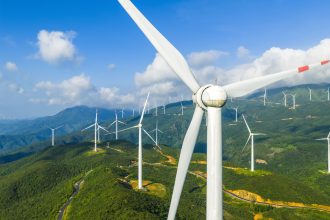
Spain’s power system relies heavily on renewable energy, especially wind and solar. These sources reduce dependence on imported fossil fuels and limit exposure to global price swings. Lower fuel costs translate into lower wholesale electricity prices under normal conditions.
The country also benefits from a relatively high share of domestic generation. That reduces reliance on imported gas, which has been a major driver of price spikes elsewhere in Europe. The structure of Spain’s market helps dampen the pass-through of external shocks.
Renewables And Policy Tools Shape Pricing
Spain’s energy model combines renewables with targeted policy measures. One key element has been the so-called “Iberian exception,” which capped gas prices used in electricity generation. That mechanism helped shield consumers from extreme price spikes during periods of high gas costs.
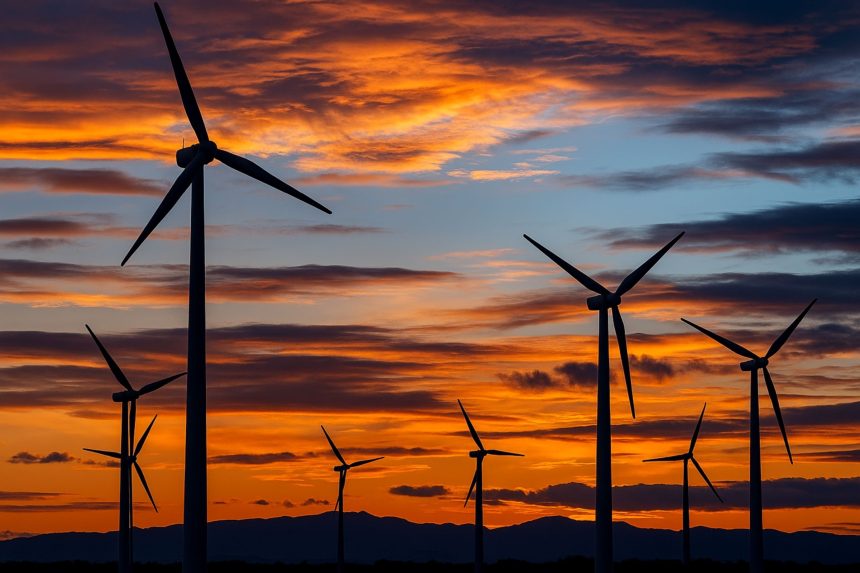
The expansion of renewable capacity has reinforced that effect. Wind and solar generation have increased significantly in recent years. These technologies have low marginal costs once installed, which can push wholesale prices downward.
Spain has also used long-term contracts and regulated tariffs to smooth price volatility. These tools help stabilize household bills even when wholesale markets fluctuate. The result is a more predictable pricing environment for consumers.
The system is not without challenges. Renewable output can vary depending on weather conditions. However, Spain’s diversified mix and policy framework have helped manage those fluctuations more effectively than in some neighboring markets.
Contrast With Higher-Cost European Markets
The Spain low energy prices story stands in contrast to other European countries facing higher bills. Many EU states remain more exposed to gas imports and volatile wholesale markets. That exposure can quickly translate into higher household costs.
Germany and parts of northern Europe have experienced sustained price pressure. These markets often depend more on imported fuels or face higher system costs. Grid expansion, capacity payments, and policy charges can also add to bills.
Spain’s experience highlights how system design influences outcomes. Countries with strong renewable deployment and supportive policies can mitigate price shocks. Those without such frameworks may face greater volatility.
The EU has been studying different national approaches to energy pricing. Spain’s model is often cited in discussions about market reform. Policymakers are examining whether similar mechanisms could be applied elsewhere.
What Spain’s Model Means For Energy Policy
Spain’s dynamic of low energy prices is shaping broader EU energy debates. Governments are looking for ways to balance affordability, security, and decarbonization. Spain offers one example of how those goals can align under certain conditions.
For investors, the model underscores the importance of regulatory frameworks. Stable pricing can support demand and reduce political risk. At the same time, it may affect returns for generators and utilities depending on market structure.
Spain’s approach also highlights the role of renewables in long-term cost reduction. As more capacity comes online, average system costs can decline. However, this depends on continued investment in grids and storage.
The country’s experience suggests that energy transition policies can influence short-term affordability. It also shows that market design matters as much as generation technology. These factors are likely to remain central as Europe reshapes its power systems.