



The Strait of Hormuz LNG price shock is rippling across energy markets after the Middle East conflict widened. Traders moved quickly as shipping risk climbed and key facilities reported disruptions. The result was a sharp repricing of gas, oil, and refined products.
Oil prices jumped to multi-month highs during the session. Brent rose to about $83.81 per barrel, while WTI climbed to about $77.23. Reuters linked the move to supply risk and disrupted fuel shipments.
Gas markets reacted even more violently than oil. The Washington Post reported European natural gas prices spiked more than 30% amid escalating disruption fears. Other reporting described gains that approached, or exceeded, 50% in benchmark European trading.
The biggest fear is not Iran’s direct supply to Europe. The worry is global rebalancing when LNG cargoes cannot transit safely. That mechanism can quickly tighten supply across the board.
Qatar Output Halt Becomes The Core Gas Catalyst
The Strait of Hormuz LNG price shock accelerated after QatarEnergy said it had halted LNG production following attacks. Al Jazeera reported the company cited “military attacks” on facilities at Ras Laffan and Mesaieed. That statement pointed to immediate operational disruption, not a distant risk.
Ras Laffan is central to global LNG supply. Multiple reports tied the stoppage to a large share of world exports. Reuters reporting syndicated by Yahoo said the country’s LNG production accounts for roughly 20% of global supply.
Markets treated the incident as a worst-case signal. European benchmark prices jumped sharply after the halt, reflecting fear of a prolonged outage. The Guardian described the shutdown as potentially removing close to 20% of global LNG supply.
Immediate exposure is not limited to Europe. Reuters-syndicated coverage noted Asian customers account for 82% of QatarEnergy’s client base. That detail matters because Europe and Asia compete for marginal LNG cargoes.
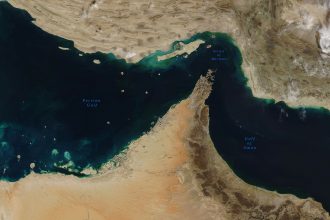
The supply fear is reinforced by choke-point geography. The Strait of Hormuz carries a meaningful share of global LNG and oil flows. The Washington Post described the strait as effectively shut down amid threats and attacks.
Shipping Risk Turns A Supply Question Into A Logistics Crisis
The Strait of Hormuz LNG price shock is also a maritime insurance story. Reuters reported shipping through the waterway stalled, as insurers cancelled coverage. That can halt traffic even without an official closure.
The Guardian reported that vessel traffic through the strait fell by about 80%. It also described a surge in charter costs and broader rerouting decisions. Those moves add time, fuel, and financing costs for cargo owners.
The conflict has also hit energy assets beyond Qatar. Reuters reported damage or shutdowns across multiple countries, including facilities in Qatar, Saudi Arabia, and Iraq. That pattern increases the perceived risk of further strikes.
ICIS said no LNG vessels had crossed the Strait of Hormuz since Saturday, citing its data. It warned that anything beyond a short disruption could radically reshape global LNG fundamentals. That is why prices can gap higher quickly.
The effect reaches refined products, too. Reuters reported U.S. diesel futures rose nearly 14%, while gasoline climbed almost 5%. Those moves reflect both crude risk and supply-chain disruption.
What Investors Are Watching Next In Gas And Power
Investors are watching to see whether Qatar’s shutdown is brief or prolonged. They are also watching for evidence of repairs and resumed exports. The timeline matters more than the initial spike.
The second variable is the shipping security environment. If insurers and operators stay cautious, flows can remain constrained. That would keep the LNG price shock in the Strait of Hormuz alive.
Europe’s vulnerability is shaped by its reliance on LNG. Tight cargo availability can lift TTF prices, which can then power price increases. That pressure can hit industrial demand and inflation expectations.
Asia’s demand response is another swing factor. If high prices curb demand in parts of South Asia, balance can partially return. Anadolu cited Wood Mackenzie analysis suggesting demand destruction could help rebalance.
Oil traders are watching for escalation to more infrastructure. Reuters said the conflict has already disrupted fuel shipments and raised fears of prolonged outages. Any new attack can reprice risk again.