




Trump’s gas price strategy is under sharper scrutiny as administration officials search for ways to contain rising fuel costs. Pressure has built after the war with Iran tightened global oil supplies and pushed energy prices higher. White House officials have discussed scenarios in which crude prices climb much further if the disruption lasts.
An E&E News report from Politico said senior administration officials have discussed the possibility of oil reaching $150 a barrel or more. The report said some internal conversations treated $100 oil as a baseline rather than a ceiling. It also said officials were examining additional emergency powers and other options to soften the economic blow.
That matters because gasoline prices remain one of the most visible measures of economic stress for voters. They affect commuting costs, freight expenses, and broader inflation expectations. For a White House that has repeatedly promised lower energy costs, the political risk is immediate.
Officials Turn to Industry for Answers
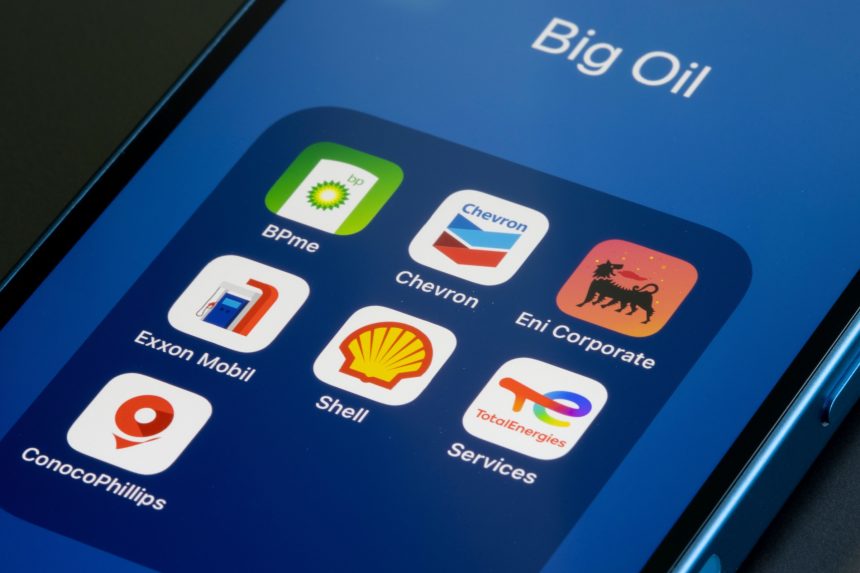
The administration has also opened direct discussions with oil executives. Bloomberg reported last month that Vice President JD Vance and other senior Trump officials planned a meeting with oil industry leaders at the American Petroleum Institute. The purpose was to explore ways to address surging gasoline prices after the U.S. attack on Iran.
Those conversations reflect the limits of White House control over oil markets. Presidents can shape regulation, diplomacy, and emergency responses, but they cannot directly order lower global crude prices. When supply is constrained by war and shipping risks, markets usually respond faster than policy.
The industry backdrop is also mixed. Some producers benefit from higher prices in the short term, especially if output remains stable. But sustained volatility can damage demand, unsettle refiners, and intensify public pressure for government action. That makes cooperation with the White House potentially useful, but also politically delicate.
Treasury Signals Hope, But Markets Remain Unsettled
Public messaging from the administration has tried to sound more reassuring. Treasury Secretary Scott Bessent said on April 15 that he expects U.S. gasoline prices to move into the $3 per gallon range this summer. He said ongoing talks with Middle East counterparts could help ease the oil crisis sooner rather than later.
That optimism contrasts with darker scenarios circulating inside the administration. Reuters reported that Trump has been trying to regain his political footing as Republicans worry that high gas prices and inflation could dominate the midterm landscape. The story said affordability concerns are overshadowing some of the administration’s other policy messages in key battleground states.
The gap between private concern and public confidence is significant for markets. If investors believe the White House sees a prolonged price problem, they may expect more intervention, more volatility, or both. If they believe diplomacy could reopen the Strait of Hormuz and ease supply pressure, prices may cool before any policy response takes shape.
That leaves Trump’s gas price strategy caught between diplomacy and market reality. The administration appears to be betting that a geopolitical easing can do more than domestic policy alone. But until supply routes stabilize, traders are likely to keep pricing in risk.
Political and Economic Stakes Keep Rising
The stakes go beyond pump prices. Higher fuel costs can feed into shipping, food, and manufacturing expenses, making inflation harder to contain. That can weaken consumer confidence even if headline employment or tax measures remain favorable. Republicans are increasingly worried that those pressures could define the political environment heading into 2026.
Democrats are already trying to tie the price surge to the administration’s foreign policy and its closeness to major oil interests. Senator Edward Markey said last week that Trump’s war with Iran could cost the average American family nearly $1,100 more at the pump this year if gasoline stays near current levels. That figure is partisan, but it shows how quickly energy costs have become a political weapon.
For investors, the most important question is what kind of response emerges next. Emergency market measures, diplomatic breakthroughs, industry production moves, or strategic reserve actions could all affect the outlook. But none would fully remove the core vulnerability: a global oil system still shaped by conflict-sensitive supply routes.
That is why Trump’s gas price strategy now sits at the center of both economic management and campaign politics. The White House is trying to show it is engaged, industry is signaling concern, and voters are watching the numbers on gas station signs. As long as oil markets remain tight, that pressure is unlikely to fade.