




U.S. stocks drifted on Friday as investors weighed a fragile ceasefire between Washington and Tehran against the lingering threat of a prolonged energy shock. The market has recovered sharply over the past two weeks on hopes that the conflict could move toward negotiation, but the latest session showed that confidence remains tentative rather than secure.
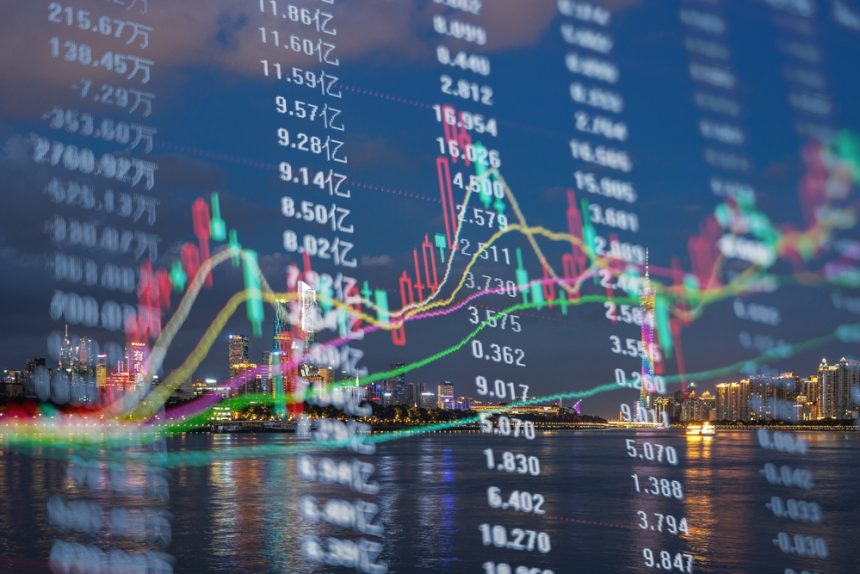
The S&P 500 slipped 0.1% in afternoon trading, the Dow Jones Industrial Average fell by about 261 points, or 0.5%, while the Nasdaq Composite edged up 0.3%. That mixed picture captured the current mood on Wall Street. Investors are no longer pricing a full worst-case scenario, yet they are far from convinced that the region is moving toward a durable settlement.
The broader market has still made notable progress. The S&P 500 has clawed back most of its March losses and now sits only 2.3% below its January record high. But the path higher remains unstable, and every new headline tied to the war, Lebanon or the Strait of Hormuz still has the power to swing sentiment quickly.
Technology stocks helped limit the damage
Trading was choppy across the session, with most companies in the S&P 500 moving lower. Even so, heavyweight technology names once again helped cushion the broader market. Nvidia rose 2.4% and Broadcom climbed 4.6%, showing that investors continue to treat parts of the AI and semiconductor complex as relative safe havens for growth even in a geopolitically stressed market.
This pattern has become more visible in recent weeks. When uncertainty intensifies, the broader market tends to wobble, but large-cap technology often keeps drawing capital because investors still see it as the clearest route to structural earnings growth. That dynamic does not remove risk from the market, but it does explain why the Nasdaq has remained more resilient than the Dow.
The result is a market where leadership remains narrow. Tech can soften the blow, but it cannot fully shield stocks if the energy backdrop worsens again.
Oil remains the main pressure point
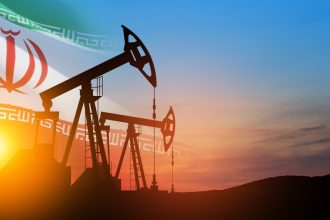
Oil prices were comparatively steady on Friday, though at levels that still reflect major disruption. Brent crude rose 1.1% to $96.49 a barrel, while U.S. crude gained 1% to $98.88. These prices are well below the extreme highs reached during the panic phase of the conflict, but they remain far above the levels seen before the war began in late February.
That is why energy continues to dominate market thinking. Shipping through the Strait of Hormuz has not returned to normal, and the route remains one of the most important and most vulnerable channels in the global oil system. As long as that bottleneck remains unstable, investors will continue to price in some level of supply risk.
In effect, the ceasefire has reduced the immediate fear of a major escalation, but it has not repaired the physical and psychological damage already done to the oil market. That keeps crude high enough to remain a macroeconomic problem.
Talks are coming, but the truce looks shaky
Negotiators from Iran and the United States are preparing for high-level talks on Saturday, giving markets a potential diplomatic milestone to watch. But the setup remains fragile. Iranian media signaled that talks may not take place unless Israel halts its attacks in Lebanon, making clear that the ceasefire is still vulnerable to developments outside the direct U.S.-Iran channel.
This is what keeps investors cautious. The market wants to believe the conflict is moving toward a settlement, yet every additional condition or competing front makes that outcome harder to trust. The truce may exist on paper, but the political and military environment around it is still unstable.
That uncertainty is why Friday’s session looked so hesitant. The optimism that drove the recent rebound is still present, but it is now colliding with the realization that peace will be much harder to secure than a single ceasefire announcement suggested.
Inflation and consumers are back in focus
The war has already begun feeding through to the U.S. economy. March inflation posted its biggest jump in four years, driven in large part by higher gasoline prices. The increase came in slightly below economists’ expectations, but it was still strong enough to reinforce concerns that the energy shock could prolong already sticky price pressures.
Those worries were echoed in the latest consumer data. The University of Michigan survey showed sentiment dropping 10.7% in April, while one-year inflation expectations rose sharply to 4.8% from 3.8% in March. That combination is troubling because it suggests households are becoming more anxious both about prices and about the broader economic outlook.
Bond markets reflected a wait-and-see approach. The yield on the 10-year Treasury ticked up to 4.31% from 4.29%. Investors are no longer expecting quick help from lower rates, especially as Federal Reserve officials continue to stress that inflation remains above target and may require a more cautious stance for longer.
The market sees relief, not resolution
The larger picture is that Wall Street has rallied because the immediate disaster scenario has softened, not because the crisis has been solved. Stocks have been able to recover as investors bet that negotiations may prevent a deeper regional escalation. But oil remains elevated, consumers are showing more inflation anxiety and the Fed is unlikely to step in quickly with rate cuts.
That leaves the market in a delicate position. If diplomacy gains traction and oil begins to fall more decisively, equities could keep grinding higher. If the talks stumble or Lebanon pulls the region back into broader conflict, the same supply shock worries that rattled markets in March could return quickly.
For now, Friday’s wavering session sends a clear message. Investors are willing to hope, but they are not yet willing to relax.