





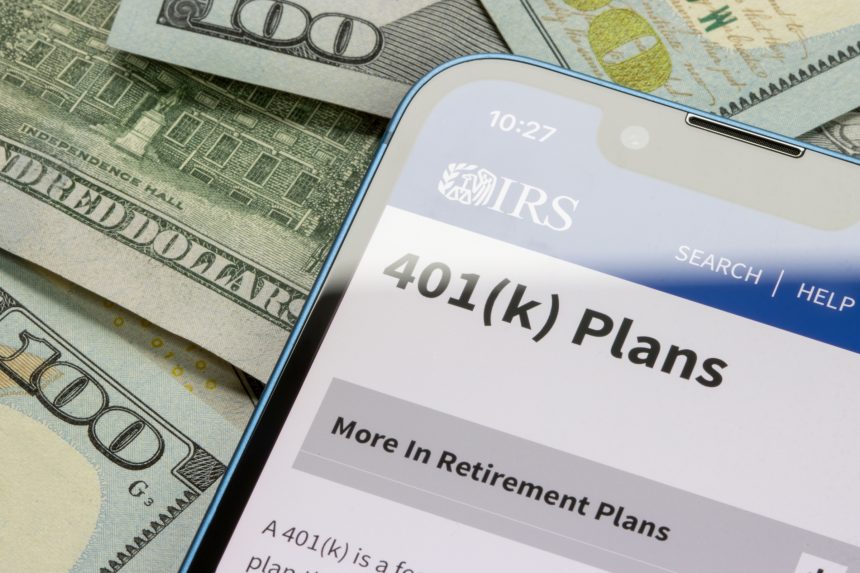

401(k) withdrawals hit a record high in 2025, even as many retirement accounts grew. Data from large plan administrators showed stronger balances and heavier emergency tapping. The contrast highlights how market gains can coexist with household budget stress.
The latest figures reflect widespread participation in defined-contribution plans and rising withdrawals under hardship rules. Researchers and advisers often warn that early withdrawals can damage long-term compounding. Yet more workers said they needed funds for urgent bills and housing pressures.
Retirement Balances Reached New Highs
Average 401(k) balances climbed in 2025, supported by strong market performance. One major administrator reported an average balance of $167,970, up 13% year over year. Another large provider reported an average balance of $146,400, up 11%.
Median balances also improved, which can better reflect typical savers. The median 401(k) balance rose 16% to $ 44,115 in one year. That increase suggests gains were not limited to top-balance households.
Market returns helped explain the jump. The S&P 500 rose 16% in 2025, and bonds gained 7%, according to reported figures. Those results rewarded workers who stayed invested through volatility.
Plan design also played a role. A record 79% of large employer plans in one dataset used automatic enrollment for new hires. More workers also use managed portfolios, which can reduce reactive trading.
More Workers Tapped Accounts for Emergencies
While balances rose, 401(k) withdrawals hit a record high across a large plan population. About 6% of participants took a hardship withdrawal in 2025. That was up from 4.8% in 2024 and about 2% before the pandemic.
The increase marked the sixth straight year of rising hardship withdrawals in that dataset. The trend points to sustained financial strain, despite improving headline market wealth. It also suggests that more people are normalizing access to retirement accounts for cash needs.
Reported reasons included avoiding foreclosure and covering medical expenses. Those needs can arrive suddenly and overwhelm emergency savings. When cash runs short, retirement plans may feel like the only available pool.
Policy changes have also eased access. Newer rules since 2019 expanded ways to withdraw or borrow under certain circumstances. Recent changes under SECURE 2.0 further reduced barriers for some emergency uses.
For many savers, hardship withdrawals carry costs beyond the withdrawn amount. Early distributions can reduce future growth, and taxes may apply. Some withdrawals can also bring penalties, depending on age and circumstances.
What the Gap Says About Household Stress
The same year can produce record balances and record withdrawals for different groups. Higher balances can be concentrated among older or higher-income savers. Withdrawal rates can rise among workers facing rent shocks, medical bills, or job instability.
Some indicators suggest stress remained elevated in 2025. Reporting cited rising credit card delinquencies and higher layoff activity in parts of the economy. Such trends can push households toward stopgap funding sources.
Generational patterns also stood out in the reported data. Gen X crossed a milestone by contributing over 15% of income, including employer matches. Many Gen Z savers leaned toward Roth contributions, with 95% choosing that option in one dataset.
These facts can coexist because retirement behavior is not uniform. Some households increased contributions through automatic escalation. Others pulled funds to cover necessities, then tried to rebuild later. Both actions can happen within the same plan system.
From a personal finance view, the hardship trend is a warning about liquidity gaps. Workers without emergency savings may treat 401(k)s as backup checking accounts. That can undermine retirement readiness, even during strong market years.
What Savers Should Watch Next
If 401(k) withdrawals hit a record high again in 2026, plan sponsors may face tougher questions. Employers may expand emergency savings features or short-term loan options. They may also adjust communication around withdrawal consequences and alternatives.
Investors should also watch policy changes that affect withdrawal access. Easier access can help during real crises, but it can also raise leakage. Leakage is the industry term for money leaving retirement accounts before they are eligible for withdrawal. Over time, leakage can reduce retirement security for many workers.
The 2025 figures show two realities at once. Markets lifted many account balances, especially for consistent contributors. Yet, everyday expenses still forced a record share of workers to tap retirement funds.