





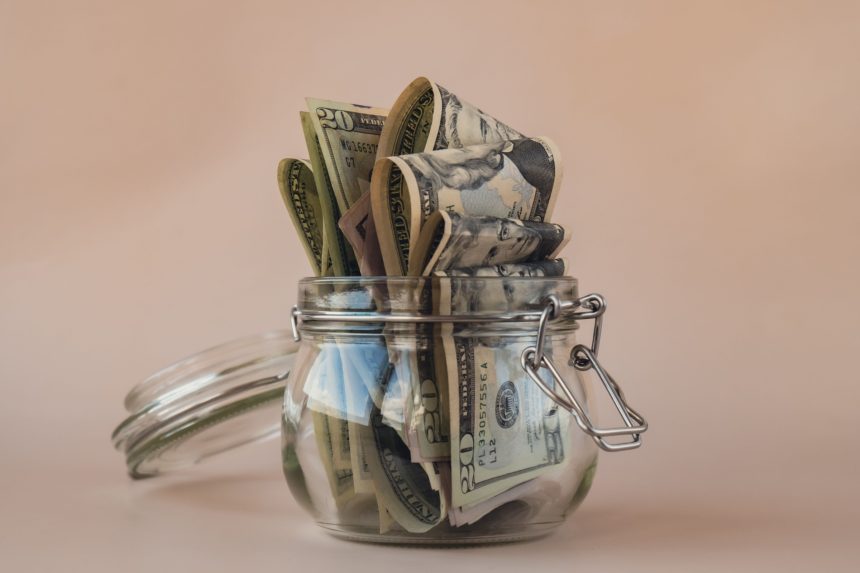

Money-saving hacks are drawing renewed attention as households look for ways to stretch tight budgets. A recent personal finance column collected reader-submitted tactics that ranged from practical to strange. Some ideas focused on reducing waste. Others pushed into ethically questionable territory.
The discussion reflects a broader pressure on consumers. Higher everyday costs have kept frugality in focus across personal finance coverage. Readers described habits aimed at shaving small amounts off routine spending. The examples showed how easily thrift can shift from discipline into obsession.
For a personal finance audience, the core issue is not whether saving matters. It does. The issue is whether a tactic saves meaningful money without creating higher costs. Those costs may involve time, dignity, safety, or fairness.
Practical Frugality Still Has Real Value
Some of the reported money-saving hacks were familiar and low-risk. Readers described reusing hotel toiletries, stretching household products, and finding second uses for everyday items. These habits can reduce waste and trim spending over time. They also fit the broader appeal of mindful consumption.
Simple frugality works best when it is consistent and proportionate. Skipping wasteful purchases, using what you already own, and delaying impulse buys usually deliver steady benefits. These habits also avoid the unpredictability of more extreme measures. Personal finance guidance often favors realistic routines over dramatic gestures.
That distinction matters because small savings can add up when repeated. However, the savings must be real. A technique that saves pennies but consumes hours may not improve a household budget much. Financial decisions need to account for effort as well as dollars.
When Frugality Crosses an Ethical Line
The more controversial examples involved manipulating purchases or taking items not meant to be free. The published reader tips included removing cherry stems before checkout to lower weight-based pricing. Other examples involved taking restaurant supplies or reusing items in ways many people would find unsanitary.
These behaviors may feel minor to the person doing them. Yet they shift costs onto businesses or other customers. In some cases, they can also amount to theft or policy violations. Saving money does not automatically make a tactic reasonable.
There is also a social cost. Extreme frugality can normalize behavior that damages trust in ordinary transactions. A household budget improves most sustainably when savings come from planning and restraint, not rule-bending. That is especially true for readers seeking repeatable personal finance habits.
The Hidden Cost of Clever Tricks
Some reader suggestions sounded clever but may deliver limited value in practice. Unplugging cords to stop supposed “electricity leaks” or avoiding basic car use behaviors may save little or create other risks. A tactic can look efficient while producing negligible results.
Time is another hidden cost. Hunting for tiny savings can consume attention that might be better used elsewhere. A person may gain more from comparing insurance rates, reducing high-interest debt, or negotiating bills. Those actions often have a greater financial impact than extreme penny-pinching.
This is why many practical money columns distinguish between frugality and false economy. A false economy happens when a short-term saving creates a larger problem later. Examples can include damaged relationships, lower hygiene, wasted fuel, or lost time. The appearance of thrift does not guarantee real value.
Better Ways to Use Money-Saving Hacks
The strongest money-saving hacks are usually the least dramatic. They reduce recurring spending, avoid legal or ethical problems, and fit daily life. Examples include meal planning, avoiding convenience markups, using high-yield savings for cash reserves, and reviewing subscriptions. Those strategies are less entertaining, but they are usually more effective.
Households under pressure may feel tempted by unconventional shortcuts. That impulse is understandable in a period of persistent affordability stress. But the best savings habits remain boring, repeatable, and easy to defend. They lower costs without raising new risks.
In that sense, the recent flood of unusual reader tips says as much about economic strain as it does about creativity. People are searching harder for control over daily expenses. The challenge for personal finance readers is deciding which money-saving hacks genuinely help, and which only feel clever for a moment.