




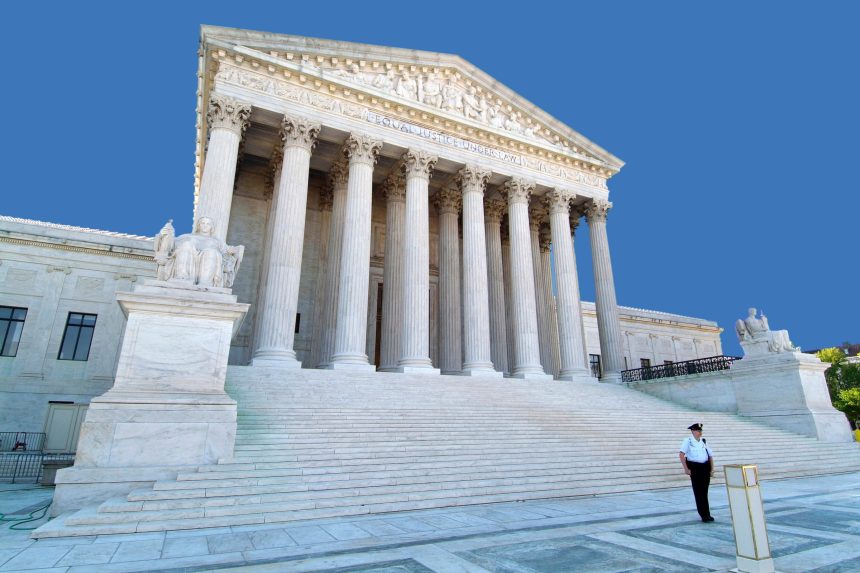

The California transgender privacy ruling reshaped school disclosure rules after the U.S. Supreme Court issued an emergency order on March 2, 2026. The decision temporarily blocks California measures that limited schools from sharing a student’s gender identity information with parents. The order reinstates a lower court injunction pending appeals.
The dispute pits parental rights and religious freedom claims against California’s arguments for student privacy and safety. The court’s action does not decide the case’s final merits. It changes the rules immediately while litigation proceeds in lower courts.
Emergency Order Reinstates Lower-Court Injunction
The Supreme Court granted an emergency request filed by parents and educators challenging California’s approach. The unsigned order said the parents are likely to succeed on a First Amendment free exercise claim. It also pointed to the Fourteenth Amendment due process interests for parental involvement.
According to the order, the parents said their religious beliefs about sex and gender were burdened by the policies. The court wrote that California’s rules conflicted with those beliefs and restricted their religious practice. The court emphasized that parents are primary protectors of children’s interests.
The ruling reinstates a district court injunction that the Ninth Circuit had stayed. That means the challenged state law and related school policies are blocked for now. The litigation will continue through normal appellate steps.
The court’s vote split was complex across different requests. The order granted relief to the parents, but not fully to the teachers. Justices Thomas and Alito would have granted the application in full. Justice Sotomayor would have denied it in full.
Justice Amy Coney Barrett wrote separately, joined by the Chief Justice and Justice Kavanaugh. She said the emergency posture still required a decision based on the stay factors. She concluded those factors strongly favored the parents’ request.
California Argued for Student Safety and Privacy
California argued that some students need privacy protections at school. State officials said disclosure can carry risks for students who fear family rejection. The state described its approach as balancing privacy interests with parental involvement.
The state also argued the measures did not create an absolute ban on sharing information with parents. California said disclosure may be permitted or required when a student’s well-being is at risk. The Supreme Court majority still found the parents’ claims likely to succeed.
California officials criticized the court’s intervention and defended the policies’ intent. They said schools should provide safe learning environments for all students. The governor’s office said educators should focus on instruction rather than policing identity issues.
The case began with a 2023 lawsuit in Southern California. Teachers first sought exemptions from district policies on student gender issues. During litigation, the district said state guidance required the contested approach. Parents later joined as plaintiffs, raising constitutional claims.
Dissents Warned Against “Shadow Docket” Use
Justice Elena Kagan dissented, joined by Justice Ketanji Brown Jackson. Kagan argued the case raised novel questions and arrived with limited briefing. She said the emergency docket can malfunction when it decides contested legal issues too quickly.
Kagan also said the lower-court process had barely begun. She stressed the court could have waited for fuller review and a developed factual record. She criticized the abrupt disruption of a state’s policies during ongoing litigation.
The dissent highlighted the tension between emergency relief and ordinary appellate procedure. Critics of the emergency docket say it increases unpredictability for states and agencies. Supporters say it prevents constitutional harms while courts deliberate.
National Debate Expands Beyond California
The California transgender privacy ruling arrives amid broader legal fights over transgender rights and school policies. Similar disputes have surfaced across the country, often framed as a clash between parental rights and student protections. Courts have been asked repeatedly to address these issues on a full merits schedule.
For school districts, the decision creates immediate compliance questions. Policies on disclosure, record access, and staff guidance may shift again as litigation progresses. Districts may also face increased legal costs and heightened public scrutiny.
For investors and employers, the story reflects a wider governance reality. Education policy disputes can drive legislative responses, compliance burdens, and reputational risk. The case also signals continued uncertainty around national standards in culture-war regulation.
The Supreme Court’s order is temporary, but the effects are immediate. The lower courts will now revisit the merits with the injunction back in force. Further emergency requests or a full Supreme Court review remain possible as the case moves forward.