






The Maryland AI workforce investment moved into implementation after state officials detailed a US$4 million training package. Officials said the funding will support workers, employers, and community organizations as they adapt to AI and emerging technologies. The Maryland Department of Labor will administer the money through three grant programs. The announcement followed the governor’s recent State of the State address.
Officials said the package combines internships, upskilling, and cybersecurity clinic programs. The plan targets Maryland’s “lighthouse” sectors, including life sciences, information technology, aerospace and defense, and manufacturing. State officials said the design aims to expand practical training while improving employer access to talent. They also said community groups will gain lower-cost cybersecurity support.
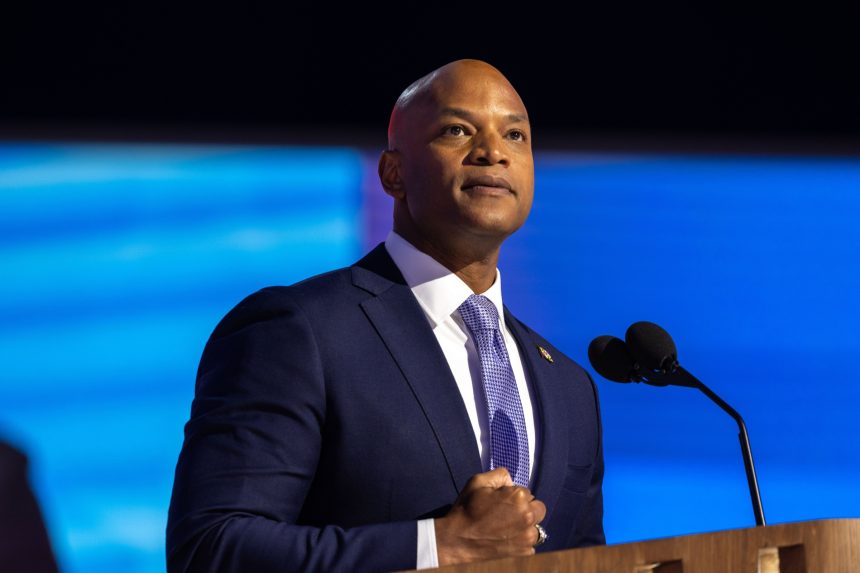
The governor said AI has moved from theory into daily reality. He said the state needs a broad strategy reaching government, businesses, and workers. Labor officials also described the effort as a pathway initiative for jobs, skills, and wages. Those statements frame the investment as workforce policy, not only technology policy.
Funding Structure and Program Breakdown
Officials said the Maryland AI workforce investment includes US$2.5 million for internships and upskilling efforts. Another US$1.5 million will support supervised cyber training and clinic-based services. State officials said the funding flows through the Talent Innovation Fund and the Cyber Maryland Program. They described both programs as partnerships with the Maryland General Assembly.
The state’s internship initiative carries a US$1.5 million allocation. Officials said eligible employers and partner organizations can apply for grants of up to US$150,000. The program can fund internship wages up to US$10,000 per intern. Officials said employers of all sizes may apply on a rolling basis.
A second program will fund upskilling and reskilling in lighthouse sectors. Officials said this grant pool totals US$1 million and uses a competitive process. Applicants may request up to US$200,000, according to the state. The program requires partnerships with at least three employers.
Officials also published a timeline for that training program. They said proposals are due on April 24, 2026. Grant activity is scheduled to begin on June 1, 2026. The state also scheduled a pre-proposal conference for February 26.
Internships and Upskilling Target Lighthouse Sectors
State officials said the internship and upskilling programs focus on lighthouse industries because of expected AI adoption. They said these sectors need workers who can adapt quickly. Officials also said the programs should help employers integrate AI safely and effectively. The state developed the effort after consultation with workforce and industry leaders.
The Governor’s Workforce Development Board played a role in program design, officials said. The board gathered feedback from employers and sector leaders. Officials said that feedback informed training priorities and program structure. Board leadership described the grants as practical pathways to high-growth jobs.
For financial readers, the workforce focus is significant. The state is pairing labor policy with industrial competitiveness goals. Internship wage support can lower hiring friction for employers testing new talent pipelines. Upskilling grants can also reduce training costs for partner organizations.
The Maryland AI workforce investment also reflects a common public-sector strategy. Officials are tying AI planning to measurable workforce programs. That approach can be easier to evaluate than broad AI policy statements. It also gives employers specific funding windows and hiring incentives.
Cyber and AI Clinics Add Community Services
Officials said the remaining US$1.5 million funds cyber and AI clinic grants. These clinics will provide supervised training for aspiring cyber professionals. They will also deliver low-cost or no-cost cybersecurity services to local institutions. Officials named schools, hospitals, nonprofits, and small businesses as priority clients.
State officials said three organizations received clinic awards after a competitive process. The awardees are the Center for Critical Infrastructure Security, TCecure, and Howard Community College. Howard Community College’s program expands an existing clinic partnership with two other colleges. Officials said the clinics will operate statewide or regionally with community-focused services.
Officials estimated the clinics will train about 600 Marylanders overall. They also said each clinic should train at least 200 current or prospective professionals. The state expects clinics to support dozens of client organizations during the grant period. Officials said employers will help align training with real job needs.
The clinic model serves a dual purpose for the Maryland AI workforce investment. It develops workforce capacity while improving local cyber resilience. For employers and investors, this may reduce talent shortages over time. For communities, it may improve digital protections at a low upfront cost.