




Popular 2026 bets fall sharply as risk appetite breaks
Three of the strongest momentum trades of 2026, gold, silver, and South Korea equities, sold off heavily on Tuesday as investors recalibrated for the possibility that the war in Iran could drag on longer than markets had expected. The pullback came as broader risk assets weakened and traders responded to a renewed inflation risk channel tied to rising oil prices.
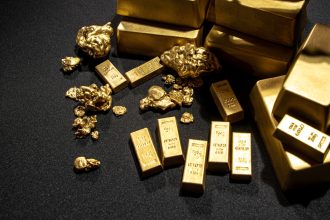
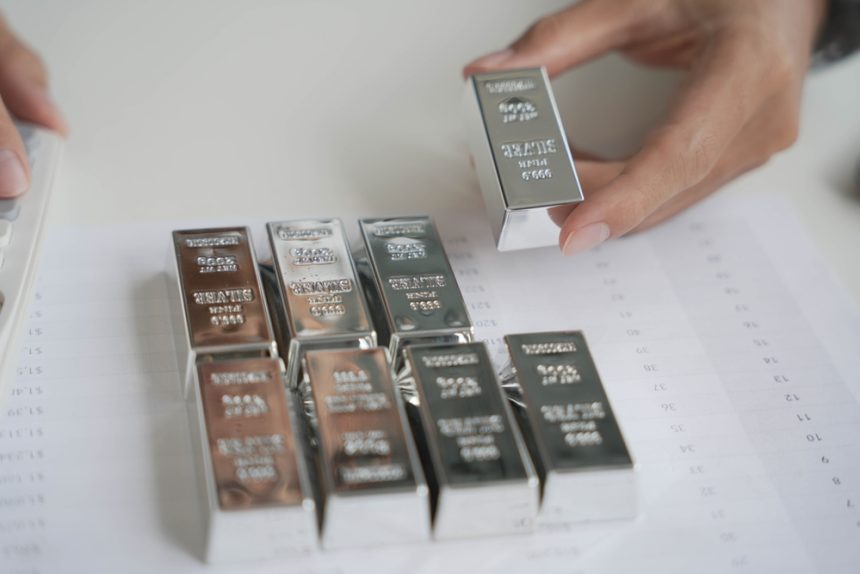
Spot gold fell more than 5% to $5,041.81 per ounce, while gold futures dropped about 5% to $5,049. Silver futures slid more than 8% to $81.23 per ounce. The iShares MSCI South Korea ETF, ticker EWY, plunged 14%. Even after the sharp declines, the three trades remained positive for the year, with gold up more than 16%, silver up 15%, and EWY higher by nearly 30% year to date.
The speed of the reversal highlighted how quickly crowded trades can unwind when macro assumptions shift, especially when positions are built on momentum rather than a single fundamental catalyst.
Rotation away from U.S. mega-cap tech fueled the earlier surge
Gold, silver, and South Korea had been attracting capital in part as investors sought alternatives to U.S. large-cap technology exposure. The S and P 500 posted a cumulative gain of 64% over the last three years but is down about 1% this year, encouraging some investors to look for assets they believed could perform better if the tech-led rally lost momentum.
In that context, gold’s advance has been supported by the view that central banks are diversifying away from the U.S. dollar, sustaining demand even at elevated prices. Many investors have also argued that gold could push beyond $6,000 an ounce, keeping the narrative of upside intact despite heightened volatility.
Silver’s rally has been underpinned by expectations for tight supply-demand conditions and by its industrial role, including applications linked to AI-related buildouts. Those use cases have helped present silver as both a precious metal and a production input, though that dual identity can amplify volatility when markets pivot from growth optimism to macro caution.
South Korea gains were tied to memory demand and chip leaders
South Korea’s strength this year has been closely linked to global demand for memory chips, a driver that lifted key index heavyweights. Samsung Electronics and SK Hynix, which represent a large share of the country’s Kospi index, were up more than 50% and 44% year to date, respectively, before the broader pullback. Their outperformance helped draw inflows into Korea-focused equity exposure, including EWY, as investors positioned for continued strength in memory and related supply chains.
That concentration, however, can cut both ways. When risk sentiment turns, markets often sell index leaders first, and ETFs can magnify the move as investors reduce exposure quickly.
Oil spike revives inflation worries and triggers indiscriminate selling
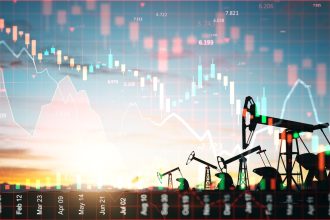
The unwind coincided with a jump in oil prices as the Iran conflict raised fears of deeper disruption and higher energy costs. Brent crude topped $84 a barrel, while WTI crude jumped above $77. The move revived concerns that inflation could reaccelerate, which can pressure both equities and the kinds of momentum trades that rely on stable financial conditions.
Gold’s decline stood out because it is typically treated as a safe-haven asset during crises. In this episode, investors appeared to sell broadly rather than discriminate by asset type, suggesting a liquidity-driven move in which traders reduced positions that had risen sharply and could be vulnerable to profit taking. The selloff in silver and South Korea reinforced that interpretation, with investors exiting trades that had been popular and potentially crowded.
Whether the pullback becomes a deeper reversal or a temporary reset will depend on how oil prices evolve and whether the conflict extends long enough to reshape inflation expectations. For now, the session served as a reminder that momentum trades can remain sensitive to macro shocks, even when their longer-term narratives remain intact.