




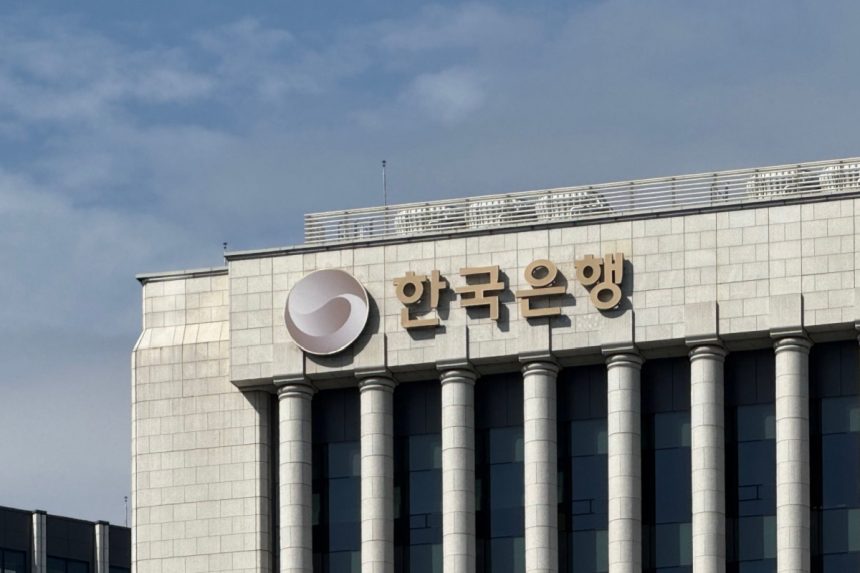

The Bank of Korea governor Shin Hyun-song’s nomination gives South Korea’s central bank a leader known for warning about financial excess. President Lee Jae Myung selected Shin to replace Rhee Chang-yong when Rhee’s term ends on April 20. Shin currently leads the economic department at the Bank for International Settlements. He is widely known for early warnings about risks that later fed the 2008 global financial crisis.
Shin said he would pursue a “balanced” policy approach. He said inflation, growth, and financial stability must all be considered together. He also said financial and foreign exchange volatility has increased with rapid changes in the Middle East. That backdrop matters because South Korea faces uneven domestic growth and higher external risks.
The nomination comes at a delicate moment for policymakers. Some high-tech sectors, especially semiconductors, are performing well. Yet traditional industries such as steel and petrochemicals remain under pressure from weak external demand. That split leaves the next governor balancing support for growth against inflation and debt risks.
A Governor With Crisis Credentials
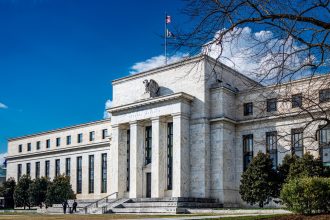
The Bank of Korea governor Shin Hyun-song’s choice is significant because of his international reputation. Shin built much of that reputation by focusing on leverage and systemic vulnerability. In August 2005, he and Raghuram Rajan warned at a U.S. Federal Reserve conference about structural financial risks. Those warnings later looked prescient after the global crisis erupted.
Shin also has a long academic and policy background. He is a former Princeton University professor and has worked closely with global central bankers through the BIS. Officials familiar with his work describe him as one of South Korea’s most accomplished economists. That résumé gives him strong credibility as he moves into a politically sensitive role.
He is also seen by many economists as more hawkish than dovish. That view comes from years of research on excessive borrowing and financial instability. Much of his past commentary has stressed the danger of over-leveraging. In South Korea, that matters because household debt and property market risks remain major policy concerns.
Growth, Inflation, and Debt Pull in Different Directions
South Korea’s policy problem is not simple. The Bank of Korea left its benchmark rate unchanged at 2.50% in February. The central bank also signaled rates are likely to stay steady until at least August. That suggests policymakers remain cautious about changing course too quickly.
The challenge is that growth and inflation pressures are arriving from different directions. Export-linked technology sectors are holding up well. At the same time, weaker traditional sectors and patchy domestic demand argue in favor of support. Meanwhile, the Iran war has increased uncertainty through oil prices, market volatility, and exchange-rate pressure.
Shin’s own recent comments suggest he may not overreact to a short-lived energy shock. Last week, he said temporary supply shocks are textbook cases that policymakers should often look through. He added that the right response depends on how long the conflict lasts and how long higher oil prices persist. That signals a pragmatic stance rather than automatic tightening.
Still, he will not have much room for complacency. South Korea must also manage financial stability concerns from large household debt burdens. If inflation rises while borrowing stays elevated, policy trade-offs become harder. That is why Shin’s emphasis on balance is likely to define his early tenure.
Markets See a Careful, Not Dramatic, Transition
The Bank of Korea governor’s appointment does not appear to signal an abrupt policy break. Shin is known to have close ties with many BOK officials, including outgoing governor Rhee. He has also been a regular participant at the bank’s symposiums. That suggests continuity in institutional thinking, even if his personal style may be firmer on debt risks.
His nomination still requires a confirmation hearing in the National Assembly. However, lawmakers do not have the power to veto the president’s choice. That means the market focus is less on confirmation drama and more on what Shin’s arrival means for rates, currency policy, and macroprudential measures.
Investors will watch his first statements closely after taking office. They will want to know how he weighs temporary inflation against weak sectors at home. They will also watch how strongly he emphasizes leverage, housing, and balance-sheet risks. Those themes have defined much of his work for years.
Why the Appointment Matters Beyond Seoul
South Korea’s central bank matters well beyond domestic markets. It sits at the intersection of Asian trade, semiconductor supply chains, and emerging-market capital flows. A governor with strong international standing can influence how global investors read the country’s policy direction. Shin’s BIS background may help on that front.
The timing also matters because global markets remain unsettled by war, oil, and currency swings. In that environment, credibility becomes a policy asset. Shin arrives with deep crisis-era experience and a reputation for identifying risks early. The real test will be whether he can apply that caution without choking off a fragile recovery.