





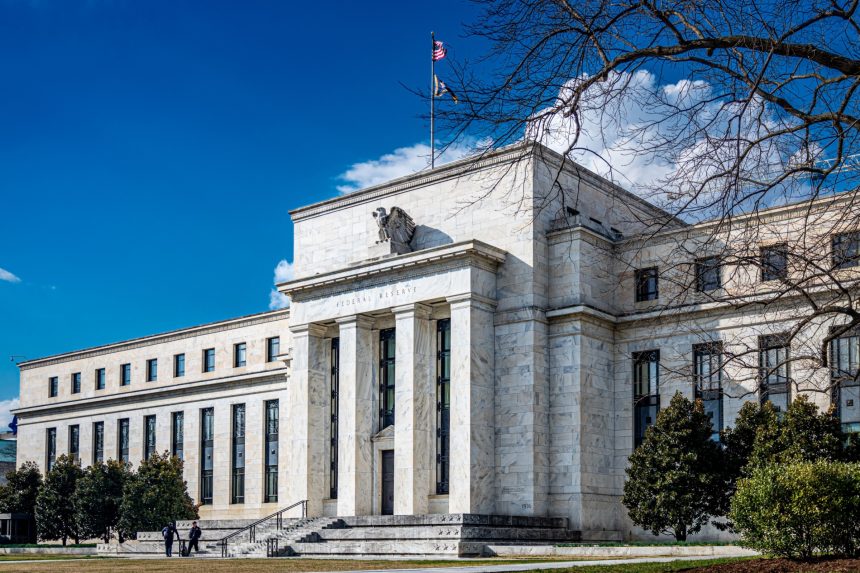

The Fed stress test proposal received public support from major banking and business associations on February 20, 2026. In a joint comment letter, the groups called the Federal Reserve’s approach a step toward greater transparency. They also said additional changes are still needed. The response is part of an ongoing debate over how U.S. bank stress tests are designed and disclosed.
The statement came from the Bank Policy Institute, American Bankers Association, Financial Services Forum, SIFMA, ISDA, and the U.S. Chamber of Commerce. The groups said the Fed’s proposal improves process and transparency. They also argued the framework should better align capital charges with actual risk. That position reflects long-standing industry criticism of stress-test opacity and volatility.
The Federal Reserve’s proposal is broader than a single annual test cycle. It covers stress test models, scenario design changes, and public comment procedures. The Fed first requested comments on these items in October 2025. It also proposed the 2026 stress scenarios at that time.
Fed Opens More of the Stress Test Process
The Fed’s transparency push marked a notable shift in supervisory practice. In its October proposal, the Board requested public comment on stress-test models and changes to scenario design. It also proposed a recurring process for public input on future material model changes. The Board said the goal was greater transparency and public accountability.
The proposal also includes annual publication of stress test scenarios for comment. In addition, the Fed said it would publish comprehensive model documentation each year. Under the proposal, the Fed would respond to substantive comments on material model changes before using them. Those process changes address a key complaint from large banks and trade groups.
The Board also proposed a calendar change with operational implications. It would move the stress test “jump-off” date from December 31 to September 30. The Fed linked that change to the timing needed for annual comments and disclosures. Industry groups, however, said this date change could increase volatility and create operational burdens.
Earlier this month, the Fed finalized the 2026 hypothetical stress scenarios. The Board said the final scenarios were substantially similar to the October proposal. It also voted to keep current stress capital buffer requirements in place until 2027 while public feedback is considered.
Industry Letter Backs Progress but Seeks Changes
In the new comment letter, the associations described the Fed’s proposal as a welcome procedural improvement. They said public comment and transparency are required by law. They also said the Fed has made serious efforts to improve risk sensitivity and scenario plausibility. At the same time, they argued that the proposal still needs revisions.
The groups urged the Fed to seek comment on all model changes, not only “material” ones. They also asked the Fed to retain the December 31 jump-off date. Another recommendation called for stronger, less discretionary language in the final rules. The letter also asked the Fed to codify more reforms directly in regulatory text.
On model design, the associations pushed for more granular risk treatment. Their recommendations included less aggregation, more segmentation, and better treatment of hedging effects. They also raised concerns about internal inconsistencies and double-counting. The letter called for greater transparency and governance around key model choices.
The trade groups also said stress testing should be evaluated within the broader capital framework. They pointed to interactions with the Basel III Endgame, the GSIB surcharge, and tailoring rules. That reflects a wider industry argument that cumulative capital requirements should be assessed together. The Fed proposal does not settle that broader policy debate.
Why the Proposal Matters for Banks and Investors
Stress tests directly influence capital planning for the largest U.S. banks. Changes to models or scenarios can alter required capital buffers. More transparency can reduce uncertainty around those requirements. For banks, this can improve planning, lending strategy, and capital allocation decisions.
For investors, the key issue is predictability as much as strictness. A clearer stress-testing process may reduce unexpected shifts in capital requirements. It may also improve comparability across years. At the same time, critics of looser disclosure rules argue that banks could adapt their behavior to the models. That concern remains part of the policy debate.
The Fed’s final approach will shape more than disclosure practices. It will also influence how quickly capital requirements reflect emerging risks. The Board’s decision to hold stress capital buffer levels steady until 2027 gives time for comment review. It also adds to the uncertainty about where the final framework will land.
The current comment cycle, therefore, has practical weight. The Fed stress test proposal has support from major trade associations, but with clear conditions. The Fed now has to balance transparency, operational feasibility, and supervisory effectiveness. That balance will help define the next phase of U.S. bank capital regulation.