




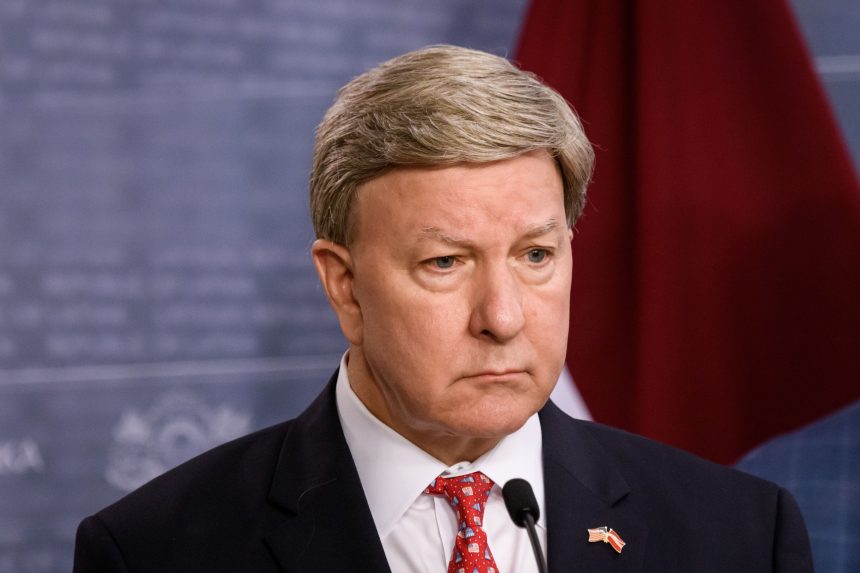

A congressional confrontation regarding the National Defense Strategy has brought Pentagon force posture changes in Europe to the forefront. The dispute centers on House Armed Services Committee Chair Mike Rogers’s claim that Congress was excluded from discussions about a significant decision: the withdrawal of a U.S. combat brigade from Romania. Rogers specifically challenged Pentagon policy chief Elbridge Colby on the handling of these European decisions.
Rogers said the decision reflected poor coordination and weak consultation. He said he had spoken repeatedly with top military leaders responsible for the U.S. European Command. Rogers said those officials advised keeping the brigade in place. He argued the move could raise alliance risk and send the wrong message. He also said the decision conflicted with earlier White House messaging.
The hearing showed a broader struggle over authority and process. Congress funds the military and oversees strategic posture. The Pentagon executes policy and manages deployments. When those roles collide, lawmakers often press for earlier notice and fuller explanations. The Rogers-Colby exchange reflected that pressure.
Romania Brigade Withdrawal Draws Direct Criticism
Rogers said the Trump administration sidelined Congress during planning and execution. He said the decision involved pulling a combat brigade from Romania in October. He framed the move as a significant shift in European posture. He argued the change could affect NATO deterrence and signaling.
Rogers said he had received consistent warnings from the military leaders he consulted. He said they believed removing the brigade would increase NATO’s risk of confrontation with Russia. He also said it would send a “terrible signal” about the U.S. commitment to NATO. He framed the issue as strategic and political. He also framed it as a credibility problem.
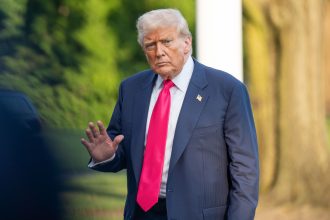
Rogers highlighted an additional point on timing and messaging. He said President Donald Trump stated two days before the decision that no major posture change was coming. Rogers suggested that the statement made the later withdrawal harder to justify. He implied a disconnect between decision-making and public commitments. He also implied weak internal alignment.
Rogers accused Colby of advancing a posture agenda without proper guardrails. He said the effort lacked interagency coordination. He also said it lacked regard for the president’s view and Congress’s role. Rogers asked Colby to explain how he reached that position. He used the moment to demand accountability in the process.
Colby Defends Process and “Best Military Advice”
Colby disputed the premise that the decision bypassed normal procedures. He said the move was coordinated through standard Defense Department channels. He said it was reached after receiving “best military advice.” He did not identify who provided that advice. That refusal became part of the friction during questioning.
Rogers pressed on a specific notification timeline. He said the decision to remove the brigade was made on Oct. 24, and the committee was formally notified on the 27th. Rogers framed that three-day gap as insufficient. He said consultation is constitutionally required for force posture decisions.
Rogers challenged how the Pentagon defined consultation. He said notifying Congress three days later is not consultation. He framed it as a compliance question, not a courtesy issue. He also framed it as a separation-of-powers issue. He said Congress has a “say-so” in posture choices.
Colby offered a broader claim about engagement. He said the Pentagon policy office is a leader in congressional engagement. He pushed back against the idea of deliberate secrecy. He presented the process as regular and appropriately routed. He argued that the department frequently interacts with lawmakers.
Oversight Fight Signals Larger Tensions Ahead
Rogers rejected Colby’s characterization of engagement. He said the committee sees it “completely differently.” He said getting information has been “like pulling teeth.” He framed the problem as persistent rather than isolated. He suggested the committee has struggled to obtain timely details.
Rogers also warned that the committee will respond. He said Congress will assert its role in the coming months. He said lawmakers will “help” the department understand that role. The language signaled more aggressive oversight ahead. It also suggested future hearings may intensify.
The episode underscores a familiar policy problem for defense planning. Military posture changes often move faster than legislative oversight. The Pentagon prioritizes operational security and speed. Congress prioritizes transparency and accountability for deployments. Those priorities can clash when decisions reshape alliance posture.
The Rogers-Colby dispute also highlights the financial and strategic stakes of posture decisions. Moves in Europe can affect readiness, logistics, and rotational costs. They can also influence NATO planning and deterrence signaling. Those factors can affect budgeting debates in Washington. They can also shape long-term strategy documents.
In this case, the central dispute remained process and notice. Rogers argued the decision should have involved Congress earlier. Colby argued it ran through normal Defense channels. The committee’s response suggests continued scrutiny of Europe’s posture decisions. Further details may emerge as oversight continues.