





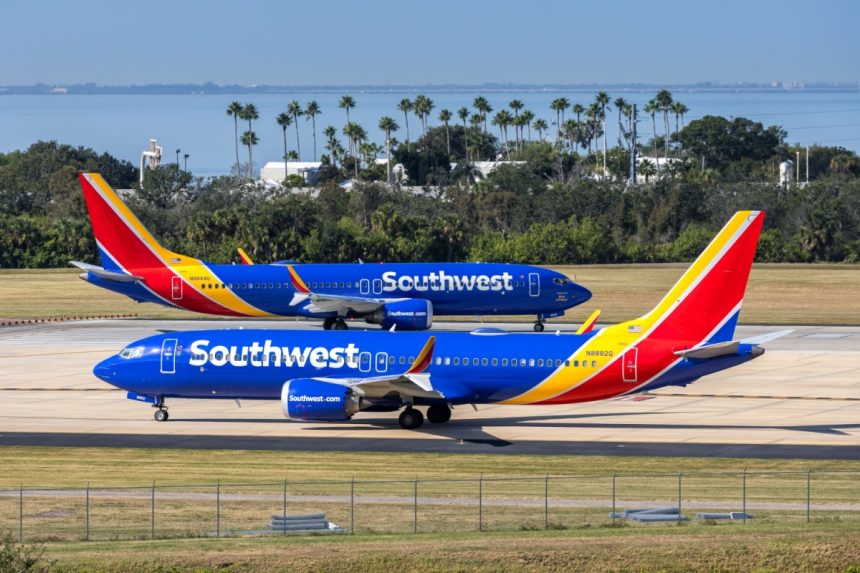

The backlash over Southwest’s seating policy is forcing rapid changes after a turbulent shift to assigned seating. The airline began assigning seating on Jan. 27, 2026, ending its long-running open seating model. Customers quickly reported friction around boarding, bins, and seat enforcement. Company executives now say they are refining the process to reduce complaints.
Passengers have used social media to describe disrupted routines and poorer onboard experiences. Frequent flyers complained about the lack of overhead bin access near their assigned seats. Others objected to rigid seat rules on lightly loaded flights. The policy change has also triggered family-seating frustration, according to reporting.
Southwest leadership has framed the shift as a revenue and competitiveness move. The airline first announced the switch to assigned seating in 2024. Chief executive Bob Jordan has said customer research supported seat selection. Still, the early rollout has produced operational “kinks,” according to the carrier.
Complaints Focus on Bins, Boarding, and Seat Rules
One recurring complaint involves overhead bin space near assigned seats. Customers say they are sometimes forced to stow bags far behind them. That outcome changes the arrival experience and slows deplaning for some travelers. Loyal flyers also say it undermines what they valued about the airline.
A second flashpoint is seating enforcement when open seats exist. A passenger described being blocked from moving on a mostly empty flight. He said a flight attendant insisted he return to his assigned seat. The incident went viral and drew thousands of responses.
Boarding order is another source of anger among elite customers. Some A-List Preferred travelers have said they boarded later than expected. They argue that later boarding reduces access to nearby bin space. That issue has amplified dissatisfaction among frequent flyers.
Families have also raised concerns about sitting together. Some travelers said children were separated from parents under the new process. Aviation analyst Henry Harteveldt said the airline may have overlooked family seating needs. He said he hoped Southwest would address that gap.
Southwest Says It Is Refining Boarding Groups
Southwest executive Tony Roach told customers the airline is refining boarding group assignments. The stated goal is better bin availability near assigned seats. Roach said the changes aim to preserve fast boarding and deplaning. He positioned the tweaks as a response to feedback.
The airline also plans signage changes tied to premium seating. During March, Southwest plans to install bin signage above extra-legroom seats. The signage is meant to reserve those bins for those customers. The airline has described this as a practical solution to the conflict.
Roach also said Southwest is upgrading aircraft cabins with larger bins. He said the new bins can hold up to 50% more bags. He said the larger storage should be installed in at least 70% of the fleet by year-end. The upgrades are intended to relieve bin pressure.
A company spokesperson, Chris Perry, also acknowledged customer complaints earlier in the rollout. He said Southwest has been monitoring “real-world behaviors” since launch. He said insights are informing “early adjustments” to reduce friction. The company has not publicly detailed every adjustment.
Loyalty Tensions Raise Stakes for the New Model
Southwest’s most loyal customers appear central to the risk of backlash. A-list travelers expect predictable boarding priority and onboard convenience. Some have said they would fly Southwest less if problems persist. That sentiment matters because loyal flyers often drive repeat revenue.
The airline’s transition also changes long-standing passenger habits. Assigned seating removes the scramble for early check-in. It also reduces the gate-line dynamics tied to open seating. However, it creates new expectations around seat enforcement and bin alignment. Those norms are still settling in.
Analysts have described the shift as strategically rational, despite the noise. Harteveldt said assigned seating can narrow product gaps with competitors. He also suggested complaints often fade when travelers adjust. Still, he said some early rules may need recalibration.
What Investors Watch Next
The near-term question is whether refinements reduce high-visibility pain points. Bin space, boarding order, and family seating are the main stress areas. If those improve, the policy may become less controversial. If not, reputational damage could deepen among core customers.
The longer-term question is whether Southwest can keep its operational advantage. The airline built its brand around speed, simplicity, and reliability. Assigned seating adds complexity and new failure modes. Southwest is betting that smoother execution will restore confidence.
Roach told customers the airline will keep refining the experience. He said feedback has been “invaluable” during the transition. Southwest’s next moves will likely focus on reducing friction without diluting paid seat value. The outcome will shape how durable the new model becomes.