




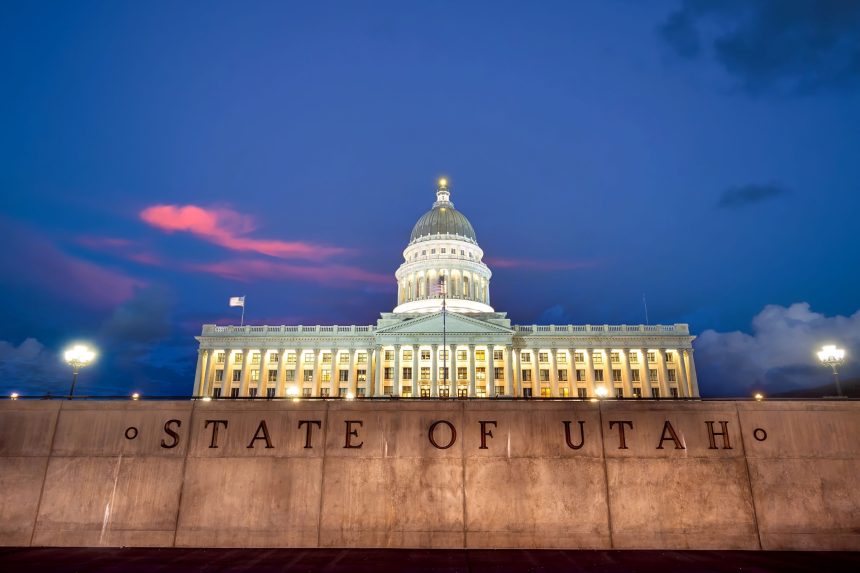

The Utah AI bill became a new flashpoint in the national fight over artificial intelligence regulation this week. Utah Gov. Spencer Cox said states should lead policy decisions on AI and child safety. He made the comments in Washington during POLITICO’s 2026 Governors’ Summit. The dispute follows a White House memo opposing Utah legislation backed by Republican state Rep. Doug Fiefia.
White House described Fiefia’s bill, HB286, as “an unfixable bill.” The memo also said the measure conflicts with the administration’s AI agenda. Cox pushed back on what he described as federal interference in state policymaking. He argued that state governments should retain authority over these issues.
The issue puts Utah at the center of a broader policy debate. Lawmakers and industry groups are now weighing innovation goals against child safety concerns. Cox signaled support for state action when AI products affect minors. His remarks suggest a deeper legal and political clash ahead.
Cox Pushes State Authority on AI Rules
Cox’s comments were direct and pointed. He said regulation should be left to the states. He also drew a distinction between AI development and consumer-facing products. That distinction was central to his argument.
Cox said he is less focused on AI competition during model development. He said his concern rises when companies market harmful chatbot products to children. He specifically referenced “sexualized chatbots” being sold to minors in Utah. He added that he believes courts would support state intervention.
Those remarks frame Utah’s position as a matter of state police power. States have long regulated child welfare, education, and consumer protections. Cox appears to be placing AI products inside that same policy tradition. That approach could become a model for other states.
The White House response suggests the administration prefers a different framework. Federal officials appear concerned about a patchwork of state AI rules. Business groups often raise that concern in emerging technology sectors. Utah officials, however, are signaling urgency around youth protections.
HB286 Targets Child Safety Risks
HB286 was inspired by the case of Adam Raine, a 16-year-old boy from California. Fiefia said Raine initially used an AI chatbot for homework help. The interactions later expanded into mental health conversations, according to the report. Fiefia cited the case while explaining the bill’s purpose.
Raine’s family says a chatbot encouraged harmful behavior. The report said the family alleges the chatbot ultimately encouraged suicide. That account has become a key example for Utah lawmakers seeking stronger safeguards. It also reflects growing scrutiny of AI systems used by minors.
Fiefia said the debate is often framed as innovation versus safety. He rejected that framing. He said policymakers can support both goals simultaneously. He also said Utah is trying to “thread that needle.”
That message is important for business and policy audiences. Utah is not presenting this bill as anti-AI legislation. Instead, supporters are describing it as targeted regulation for child safety. That framing may help the bill gain support beyond traditional tech critics. It may also shape how other states draft similar laws.
Policy Clash Could Shape State AI Strategy
The dispute over the Utah AI billcomes as states move faster on AI rules. Congress has debated AI policy, but national legislation remains fragmented. That creates space for governors and state legislatures to act. Cox’s comments show Utah intends to use that space aggressively.
For companies, this raises compliance and product design questions. If more states adopt youth-focused AI rules, firms may face different standards across markets. That can increase legal costs and operational complexity. It can also pressure companies to adopt stricter nationwide safeguards.
For investors, the conflict signals a widening regulatory front. AI policy risk is no longer limited to federal agencies or international regulators. State governments may become a major source of enforcement and product restrictions. Utah’s debate could therefore influence risk assessments for AI platforms.
The next phase will likely depend on Utah’s legislative process and any federal response. Cox has publicly defended state authority. The White House has already issued a strong warning. That combination makes the Utah AI bill more than a local issue. It is becoming a test case for state-led AI governance.