



The Pentagon press restrictions ruling has opened a new battle over media access inside the Defense Department. A federal judge struck down the Pentagon’s previous press policy on March 20, finding it violated the First and Fifth Amendments. The court sided with The New York Times and reporter Julian Barnes, who challenged rules adopted in October 2025.
Judge Paul Friedman said the earlier policy was vague, overbroad, and discriminatory in practice. He wrote that ordinary reporting activity, including asking questions and seeking information, could trigger punishment under the Pentagon’s standard. He also said the rules effectively targeted disfavored journalists and threatened due process.
The Pentagon did not accept that ruling quietly. Within days, the department announced a new set of media rules, saying they were designed to comply with the court order while protecting security. Press groups and major news organizations say the revised policy still imposes unconstitutional barriers.
Judge Rejected the Earlier Pentagon Policy
The original dispute centered on a rule requiring reporters to sign an agreement to keep Pentagon access. Under that policy, journalists could lose credentials if officials decided they posed a security or safety risk. That risk could include seeking unauthorized information, even when the material was unclassified.
Friedman ruled that the policy chilled core journalistic work. He said reporters could reasonably fear punishment for simply questioning officials or seeking information. He also found that the rule created such severe uncertainty that journalists might stop asking necessary questions.
The judge also concluded that the policy reflected viewpoint discrimination. In his ruling, he said the department’s practical goal was to remove outlets it viewed as not “on board” and replace them with more favorable ones. That finding made the constitutional problem more serious.
The court ordered the restoration of credentials for affected Times reporters and blocked enforcement of the disputed policy. Press advocates called the decision a major victory for transparency, especially during active U.S. military operations abroad.
New Rules Shift the Restriction, Not the Conflict
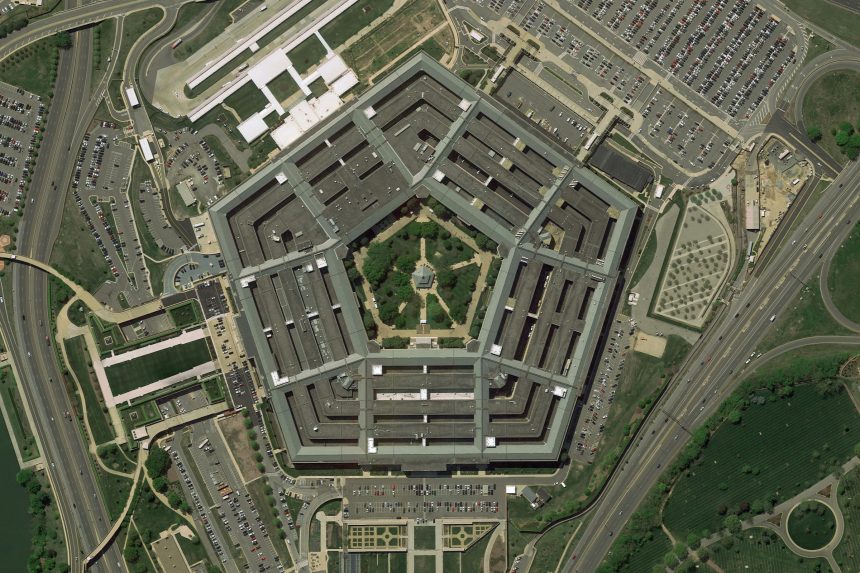
After the ruling, the Pentagon announced new access limits rather than restoring the old press setup. The department said reporters will now have to be escorted by authorized personnel while inside the building. It also said the longtime Correspondents’ Corridor inside the Pentagon will be shut down. A new press workspace is planned in an outside annex.
Pentagon spokesperson Sean Parnell said the department disagrees with the judge and is appealing. He described the revised rules as consistent with the court order and necessary for security. That explanation has not satisfied press groups, which say the Pentagon is changing the form of restriction while preserving the substance.
The Pentagon Press Association said the new system undermines the ruling and weakens meaningful access. Media advocates argue that forcing reporters into an annex and requiring escorts reduces spontaneous reporting and limits contact with sources. That matters because much Pentagon reporting depends on day-to-day access, not only formal briefings.
The next legal fight may therefore focus on whether the department is complying with the ruling in spirit or only in narrow technical terms. The Times has already said the revised rules remain unconstitutional and that it expects to return to court.
Press Freedom Concerns Grew During Wartime
The constitutional debate has intensified because the restrictions came during major military events. Friedman pointed to U.S. military actions in Venezuela and Iran in explaining why public access to independent reporting is especially important now. He argued that wartime makes scrutiny more necessary, not less.
That broader context has shaped the public reaction. The National Press Club said press freedom is especially important during periods of military conflict. Other press advocates have echoed that view, saying the Pentagon cannot cite national security to justify rules that suppress independent journalism.
The dispute also fits into a wider pattern of tighter media controls under Defense Secretary Pete Hegseth. Earlier this month, reports said press photographers were barred from some Pentagon briefings after aides objected to “unflattering” images of Hegseth. The Pentagon denied that characterization and cited space concerns, but the incident added to fears about politically motivated access limits.
Appeal Likely to Shape Future Access
The immediate question is whether the new policy survives another constitutional challenge. The Pentagon appears determined to appeal Friedman’s ruling while maintaining tighter physical control over reporters inside the building. News organizations appear equally determined to challenge the revised structure.
The longer-term issue is institutional. If the government can sharply narrow physical access after losing in court, future administrations may try similar approaches elsewhere. If courts reject the revised rules, the ruling could become a stronger precedent for press access in national security reporting.
For now, the Pentagon press restrictions ruling has not ended the conflict. It has shifted it into a new phase, where the legal question is no longer only about reporter credentials. It is also about whether meaningful journalism can survive without real access.