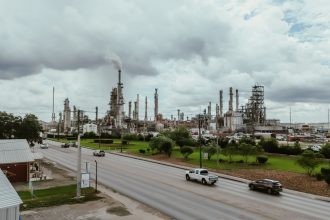





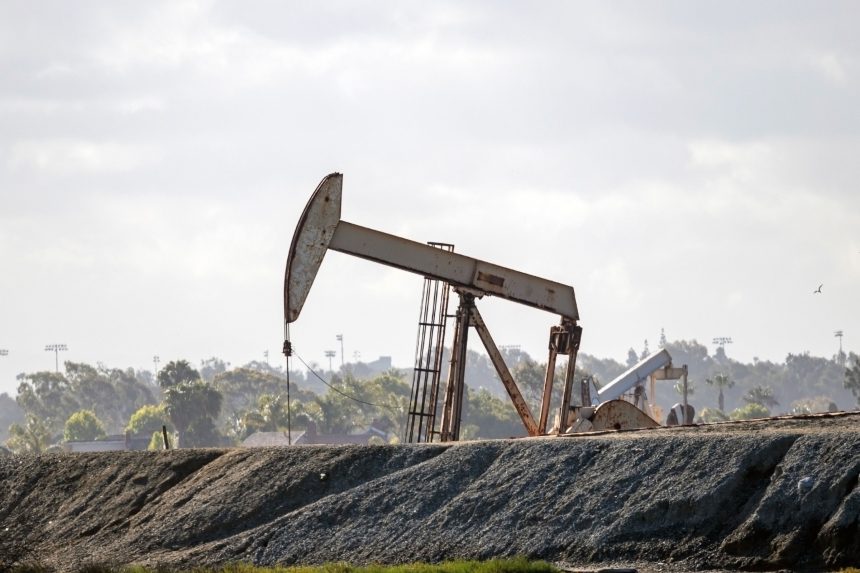

The world’s dependence on oil and gas has come under sharper scrutiny after Iran’s blockade of the Strait of Hormuz. The crisis exposed how much the global economy still relies on a few narrow maritime chokepoints. Around a fifth of the world’s oil and gas normally moves through Hormuz, making the passage one of the most strategically sensitive energy corridors on earth.
That structure creates immediate economic vulnerability. Fossil fuel systems depend on constant physical shipments of oil and gas from producing regions to consuming economies. When those flows are disrupted, supply tightens quickly, prices rise, and governments face inflation, rationing, and broader economic stress. The fallout from the Hormuz closure was swift, with soaring energy prices, fears of recession, and fuel shortages in multiple markets.
The central argument is that this risk is built into the architecture of the fossil fuel trade itself. Oil and gas are not simply produced and used locally. They move through pipelines, shipping lanes, and bottlenecks that can be influenced by war, piracy, sabotage, or state coercion. That means geography can become an economic weapon.
Other Chokepoints Add To The Exposure
Hormuz is the clearest example, but it is not the only one. CNN highlighted the Bab el-Mandeb Strait, which links the Red Sea, the Suez Canal, and the Gulf of Aden. It accounts for about 6% of the world’s seaborne oil trade and has long faced security threats. Shipping disruptions there have already forced rerouting around southern Africa, adding time and cost to energy transport.
The report also pointed to the Strait of Malacca, which links the Indian Ocean and the Pacific Ocean. It is the world’s largest chokepoint for maritime oil transport and remains exposed to piracy and robbery. A ReCAAP Information Sharing Centre report showed more than 130 piracy and robbery incidents in 2025, the highest level in 19 years.
According to the research firm Rystad, five major oil and gas chokepoints. Those include Hormuz, Bab el-Mandeb, the Turkish Straits, the Strait of Malacca, and the route around the Cape of Good Hope. Rystad described them as the “fragile lifelines” of the global energy system. That language fits a market increasingly focused on resilience and supply security, not only price.
For import-dependent economies, the result is structural dependence on uninterrupted fuel movement. Vegard Wiik Vollset of Rystad says countries importing oil and gas rely on a continuous flow of energy. When that flow breaks, supply chains can fracture, and households can feel the effects quickly.
Clean Energy Has Different Vulnerabilities
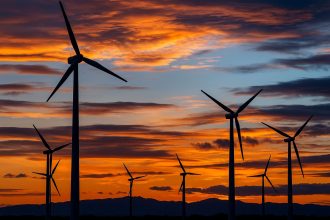
The report contrasts this with a more electrified system built on wind, solar, batteries, and heat pumps. In that model, the critical trade flows center on equipment rather than daily fuel supply. Solar panels, turbines, and batteries must be manufactured, shipped, and installed, but once deployed, they can produce energy domestically for years. That reduces immediate exposure to shipping shocks.
Li Shuo of the Asia Society Policy Institute framed that difference. He said importing oil is “like relying on a drug dealer,” because buyers must keep returning for more. Importing solar panels, he said, is more like buying from a car dealer, because the purchase can deliver value for the next two decades.
The article also quoted Clement Sefa-Nyarko of King’s College London, who said renewable-heavy systems would likely absorb a war shock differently. Homes with heat pumps and electric stoves would face less direct fuel exposure. Electric vehicle owners would be less vulnerable to gasoline price spikes. Governments would also be less exposed to sudden subsidy or rationing pressures tied to imported fuels.
Antoine Vagneur-Jones of BloombergNEF said an electrified grid is inherently more resilient. That does not mean clean energy systems are free from geopolitical pressure. It means the pressure points are different and usually less immediate in their economic effects.
China Dominance Still Creates A Different Strategic Risk
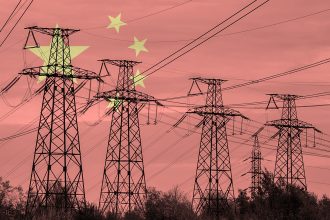
The report is careful not to present renewables as a perfect solution. Clean energy supply chains depend on minerals such as lithium, cobalt, graphite, and rare earth elements. China dominates much of the processing chain for these materials and also leads in key manufacturing segments such as polysilicon, wafers, and photovoltaic cells. That gives Beijing significant leverage over the clean technology supply chain.
More than 70% of lithium processing occurs in China, while about 80% of cobalt processing is also handled there. Moreover, the asian giant produces more than 90% of the world’s polysilicon, wafers, and photovoltaic cells. That dominance creates long-term strategic risk for countries that fail to diversify processing and manufacturing capacity.
Still, this is not the same as choking off daily energy flows. Restrictions on mineral exports could slow future infrastructure buildout, but they would not instantly stop electricity generation in the way an oil or gas blockade can. Countries including the United States and India are trying to build solar manufacturing capacity, while other efforts focus on recycling and alternatives such as sodium batteries.
The broader takeaway is not that renewables remove geopolitics. It is that they may reduce one of the most dangerous vulnerabilities in the current system: the world’s dependence on oil and gas flowing continuously through fragile chokepoints. That distinction may matter more as markets reassess energy security after the Hormuz shock.