





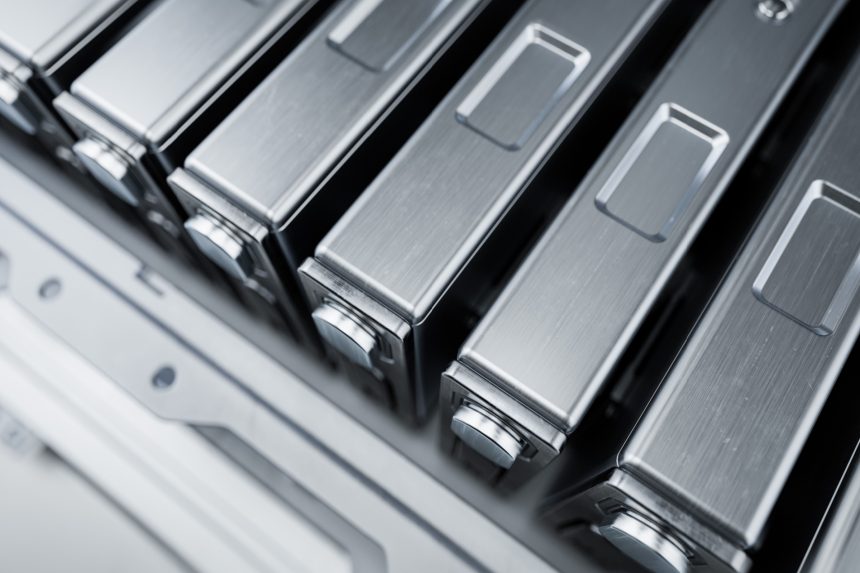

Google iron-air batteries are moving into large-scale deployment as the company pursues steadier clean electricity for data centers. Google said it will work with Xcel Energy to add 1.9 gigawatts of new clean energy resources to the Minnesota grid. The package includes a 300-megawatt iron-air battery system supplied by Form Energy.
Google said the agreement supports a new data center campus in Pine Island, Minnesota. The company framed the plan as a “grid-balanced” approach combining long-duration and short-duration storage. Xcel said the project is the largest battery installation by energy capacity announced to date.
The push comes as AI workloads raise electricity demand and reliability requirements for large server sites. Utilities and developers are increasingly pairing new generation with storage to manage peaks and multi-day shortfalls. Long-duration systems aim to cover gaps that lithium batteries cannot.
A 1.9-Gigawatt Portfolio Anchored in Long Storage
Under the agreement, new resources include 1,400 megawatts of wind and 200 megawatts of solar, Google said. The deal also includes 300 megawatts of iron-air battery storage from Form Energy. Google said it will provide US$50 million to support Xcel’s distributed battery program.
Xcel described the iron-air installation as 300 megawatts with 30 gigawatt-hours of energy capacity. That configuration implies about 100 hours of discharge at rated power. The utility said the system will store energy during high production periods.
Google said the goal is a balanced grid solution rather than a single technology bet. Wind and solar add low-cost generation, while storage helps match supply and demand. Distributed batteries can also improve network resilience.
How Iron-Air Batteries Work, and Why They Matter
Form Energy’s iron-air batteries store and release electricity through a reversible rusting process, according to company descriptions. Oxygen, water, and iron are used to form rust during discharge. Charging reverses that reaction and restores the iron.
Supporters say the main advantage is the potential for longer duration and lower cost compared to lithium-ion systems. Lithium projects often provide about 4 to 8 hours of storage, limiting usefulness in multi-day weather lulls. Form’s chemistry targets roughly 100 hours for “firm” clean power.
Tradeoffs remain. Reports describe iron-air systems as heavier and less efficient than lithium-ion batteries. Tech coverage has cited lower round-trip efficiency ranges for iron-air, alongside much lower projected storage costs. These economics can work for grid backup, not quick cycling.
Why Google Is Pairing Iron-Air With Lithium Storage
Google and Form Energy have emphasized that different battery types serve different needs. Longer-duration storage can cover extended strain events, such as prolonged heat waves or low-wind periods. Short-duration lithium batteries can respond faster to brief fluctuations.
Form’s chief executive said the Minnesota data center build will also include lithium batteries for shorter bridging needs. He described long-duration storage as a differentiated value for grid operators during stressed periods. He also suggested resilience contributions could support faster interconnections.
For utilities, multi-day storage is increasingly framed as capacity insurance. Xcel said the iron-air system can dispatch power over multiple days when demand is high. That feature can reduce the risk of blackouts during tight conditions. It can also help integrate more renewables.
Scale, Financing Signals, and What Comes Next
The Minnesota deployment represents a step-change in scale for Form Energy, according to reported comparisons with earlier projects. Tech reporting notes a smaller Minnesota installation tied to Great River Energy. That project is far smaller than the Google-linked build.
Xcel and Google have described the agreement as adding resources to the broader grid, not only the data center site. That structure can matter for regulators, because storage and generation can serve multiple customers. Google also positioned itself as a “good citizen of the grid” in partner statements.
Investors will watch execution risk and timelines. Long-duration batteries are earlier in the commercialization curve than lithium systems. Manufacturing scale, performance in real weather, and integration costs will drive economics. The announcement, however, signals rising willingness to finance multi-day storage.